
 En
En  English
 简体中文
简体中文
What Happens If a Serpentine Belt Breaks While Driving
Selecting the correct driving belt is not only about matching a part number. Compound formulation, cord reinforcement, rib profile, and dimensional tolerance all determine how long a belt performs under real operating conditions. This section walks through the material science, manufacturing process, sizing standards, and installation practices that separate a reliable belt from one that fails prematurely, giving buyers a practical framework for evaluating driving belt quality before installation.
Operating Temperature Range -40°C to 120°C
Typical Tensile Strength 2,200–3,600 N
Common Rib Configurations 4PK–8PK
Average Service Interval 60,000–100,000 km
Primary Reinforcement Cord Polyester / Aramid
Standard Width Tolerance ±0.4 mm
01
What Materials Go Into a Driving Belt Compound
The base rubber compound determines how a driving belt tolerates heat cycling, oil contamination, ozone exposure, and repeated flexing across the pulley system. Three compound families dominate current production: EPDM (Ethylene Propylene Diene Monomer), Neoprene (Chloroprene Rubber, CR), and HNBR (Hydrogenated Nitrile Butadiene Rubber). EPDM has become the dominant choice for modern multi-rib accessory belts because of its superior resistance to heat aging and ozone cracking, while Neoprene remains common in older V-belt designs and applications with higher oil exposure. HNBR compounds are typically reserved for high-load industrial or agricultural applications where extreme temperature swings and abrasive environments accelerate wear.
| Compound Type | Temperature Range | Oil Resistance | Ozone / UV Resistance | Typical Application |
| EPDM | -40°C to 130°C | Moderate | Excellent | Passenger vehicle accessory belts |
| Neoprene (CR) | -30°C to 110°C | Good | Moderate | Classical V-belts, legacy engines |
| HNBR | -35°C to 150°C | Excellent | Good | Industrial, agricultural, heavy-duty |
02
Driving Belt Cross-Section Profiles and Sizing Standards
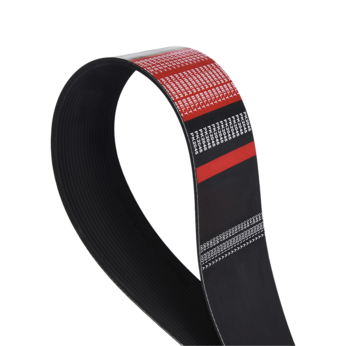
Beyond material selection, the belt's cross-sectional profile determines compatibility with a given pulley system. Classical V-belts (sections A, B, C, D) remain in use on older equipment and single-accessory drive systems. Narrow or wedge V-belts (SPZ, SPA, SPB, SPC) provide higher power transmission in a more compact envelope and are common on industrial machinery. Multi-rib Poly-V belts, identified by a "PK" designation followed by a rib count such as 4PK, 5PK, 6PK, or 7PK, are the standard configuration on nearly all modern passenger vehicles because a single belt can drive several accessories simultaneously through a serpentine routing path. Cogged or notched belts add lateral grooves along the underside to reduce bending resistance and heat buildup on tight-radius pulleys.
| Profile Type | Common Designation | Typical Width Range | Typical Use Case |
| Classical V-belt | A, B, C, D | 13–32 mm | Single-accessory drive, legacy engines |
| Narrow/Wedge V-belt | SPZ, SPA, SPB, SPC | 10–22 mm | Industrial machinery, compressors |
| Multi-rib Poly-V belt | 4PK–8PK | 10–30 mm (rib-dependent) | Passenger vehicles, light trucks |
| Cogged/Notched belt | AX, BX, CX | 13–22 mm | Tight-radius pulley layouts |
03
Manufacturing Process Behind a Reliable Driving Belt
Consistent belt performance depends on control at every stage of production, not just the final compound formula.
Compound Mixing
Raw rubber is blended with fillers, plasticizers, and curing agents under controlled temperature to achieve consistent hardness and elasticity batch to batch.
Cord Reinforcement Layer
Polyester or aramid tensile cords are embedded along the belt's neutral axis, providing dimensional stability and resistance to stretch under continuous load.
Vulcanization / Curing
Heat and pressure cross-link the rubber molecules, converting the compound from a pliable state into a durable, heat-resistant finished structure.
Precision Cutting and Rib Molding
Cured sleeves are cut to width and rib profiles are formed to tight tolerances so the belt seats correctly in the pulley grooves without slipping.
Dimensional Inspection
Length, width, and rib pitch are measured against reference standards before packaging, keeping variance within a narrow tolerance band.
Performance Testing
Sample belts undergo tensile break testing, flex fatigue cycling, heat aging exposure, and noise/vibration evaluation before a production run is approved.
04
How to Choose the Correct Driving Belt for a Specific Engine
Choosing a replacement or specification belt requires matching several dimensional and material factors at once. Skipping any one of these checks is a common cause of premature belt slip, noise, or failure.
1 Measure the effective length of the original belt, or confirm it against the engine's accessory drive specification.
2 Count the number of ribs precisely — a 6PK belt will not seat correctly on a pulley system designed for 5PK.
3 Confirm the belt profile matches the pulley groove shape, since rib pitch varies slightly between manufacturers.
4 Check whether the routing requires a flat back surface (for idler pulleys) or a ribbed surface only.
5 Match the compound to the expected ambient operating temperature range of the engine bay.
6 Consider the number of accessories driven — higher accessory load may require a wider rib count for adequate grip.
05
Driving Belt vs Timing Belt vs Timing Chain: A Full Parameter Comparison
Engine drive systems typically combine two or three of these components, each serving a distinct role with different material demands and service intervals.
| Parameter | Driving Belt | Timing Belt | Timing Chain |
| Position | External, visible | Internal, covered | Internal, oil-bathed |
| Primary Function | Drives accessories | Synchronizes valve timing | Synchronizes valve timing |
| Base Material | Rubber compound + cord | Rubber compound + cord | Steel links |
| Typical Replacement Interval | 60,000–100,000 km | 90,000–160,000 km | 150,000+ km or engine life |
| Operating Noise | Low | Very low | Slightly higher |
| Failure Consequence | Loss of accessories, overheating risk | Potential valve/piston contact damage | Rare; stretch causes timing drift |
06
Common Installation Mistakes That Shorten Driving Belt Life
Incorrect Tension Setting
Over-tightening accelerates bearing wear on the tensioner and pulleys; under-tightening causes slip, glazing, and noise.
Pulley Misalignment
Even minor angular misalignment between pulleys causes uneven rib wear and edge fraying over time.
Contaminated Belt Surface
Oil, coolant, or grease on the belt surface softens the rubber and reduces grip, leading to accelerated slip and glazing.
Wrong Profile or Length Selected
A belt that is even a few millimeters off in length changes tension geometry across the entire accessory circuit.
Reusing a Stretched Belt
Rubber compounds lose elasticity permanently once stretched past their design limit; reinstalling an old belt after service work often leads to early repeat failure.
Ignoring Tensioner and Idler Condition
A worn tensioner bearing or idler pulley will shorten the life of even a correctly specified new belt.
07
Early Warning Signs a Driving Belt Needs Replacement
1 Fine cracks appearing across the rib surface, typically starting at the base of the grooves.
2 A glazed, shiny surface on the ribs, indicating heat damage and reduced grip.
3 Frayed or missing sections along the belt edge.
4 A chirping or squealing noise on cold start or during sharp acceleration.
5 Rib height noticeably lower than a new reference sample when checked with a wear gauge.
6 Visible deflection beyond the manufacturer's specified range when pressed at the midpoint span.
08
Where Driving Belts Are Used Across Vehicles and Equipment
While passenger cars represent the largest volume application, driving belt demand extends across a wide range of powered equipment, each with slightly different priorities for compound selection and dimensional tolerance.
Passenger Vehicles
Compact multi-rib Poly-V belts driving alternator, power steering pump, and air conditioning compressor through a single serpentine path.
Light Commercial Trucks
Wider rib counts and higher tensile cord content to handle heavier accessory loads and extended duty cycles.
Agricultural Machinery
HNBR or heavy-duty compounds selected for dust exposure, wide temperature swings, and prolonged continuous operation.
Industrial Stationary Engines
Classical or narrow V-belt profiles for pumps, generators, and compressors running at constant load for extended periods.
Marine Auxiliary Engines
Corrosion-tolerant compounds paired with reinforced cord layers to withstand humid and salt-exposed operating environments.
09
Frequently Asked Questions About Driving Belt Specification
How is driving belt length measured accurately?
Effective length is measured along the belt's pitch line — the reference line inside the cord layer — rather than the outer or inner circumference, since outer measurements vary depending on rib depth.
What does a rib number such as 6PK or 7PK actually indicate?
The number indicates how many parallel V-shaped ribs run along the belt's inner surface. A higher rib count generally increases the belt's total load-carrying capacity across the accessory circuit.
Does a wider driving belt always handle more load?
Not necessarily. Load capacity depends on rib count, cord tensile strength, and compound quality together — a wider belt with a weaker cord layer can still underperform a narrower, higher-specification belt.
How does ambient temperature influence compound selection?
Engines operating in consistently high ambient temperatures benefit from EPDM or HNBR compounds, which resist hardening and cracking far longer than standard Neoprene under sustained heat exposure.
What is the difference between raw-edge and wrapped belt construction?
Raw-edge belts expose the cord layer at the sides for better flexibility and heat dissipation, while wrapped belts use a fabric cover for added abrasion resistance, commonly used in dustier industrial settings.
How often should the tensioner be inspected alongside the driving belt?
The tensioner and idler bearings should be checked at every belt replacement interval, since a weakened spring or worn bearing directly reduces the service life of an otherwise correctly specified belt.
Driving Belt Reliability Starts With Precise Manufacturing
A driving belt only performs as well as the compound formulation, cord reinforcement, and dimensional accuracy built into it during production. Matching the correct profile, rib count, and material grade to the intended operating environment remains the single most effective way to extend service life and avoid unplanned accessory drive failure across passenger, commercial, agricultural, and industrial applications.
Hot Products
-
 View More
-
 View More
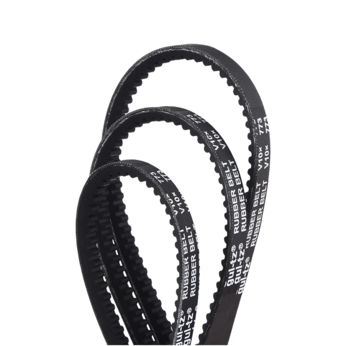
V-belt For Industry
-
 View More
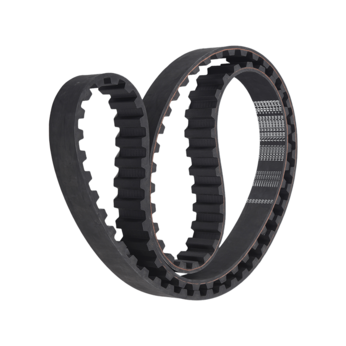
T Type Industry Rubber Synchronous Belt
-
 View More
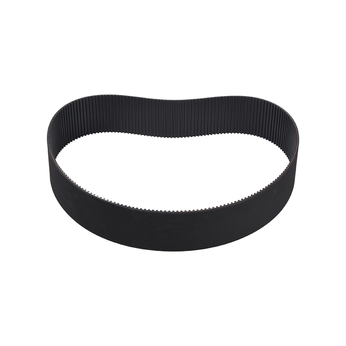
Toothed wedge belt
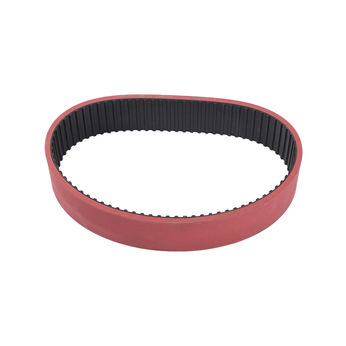
-
 View More
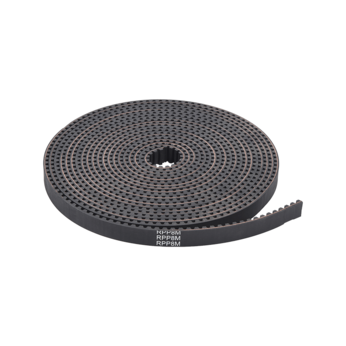
Thickened timing belt
-
 View More
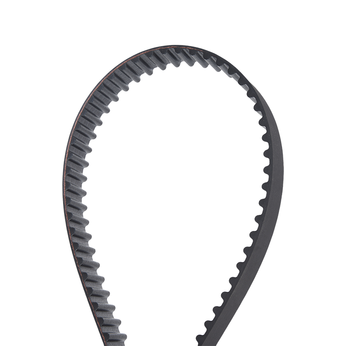
Open Timing Belt
-
 View More
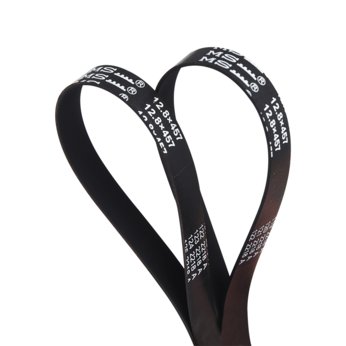
Automotive V-belt
-
 View More
Rubber Flat Belt
-
 View More
Ribbed Belt
-
 View More
Synchronous Pulley
-
 View More
Arc tooth industrial rubber synchronous belt
-
View More
Automotive timing belt

Do you have a question? Feel free to contact!
 Tel: +86-0574-62498188 62497298
 Fax: +86-0574-62497297
 E-mail:
  Add: No. 65, Middle Jinniu Road, Moushan Town, Yuyao City, Zhejiang Province, China
Copyright © Ningbo GUL TZ Rubber Belt Co., Ltd. All rights reserved.

OEM Rubber Driving belts Manufacturers
