
 En
En  English
 简体中文
简体中文
How Long Do Timing Belts Last? 60K–100K Miles Explained
What Is a Timing Belt and Why Does Its Lifespan Matter?
The practical answer is that a modern timing belt usually lasts 60,000 to 100,000 miles, and most manufacturers schedule replacement somewhere between 60,000 and 105,000 miles. That range is the useful takeaway for anyone planning maintenance. To understand where your own vehicle falls within it, it helps to know what the belt actually does.
A timing belt synchronizes your engine's crankshaft and camshaft, keeping the valves opening and closing at the exact moment the pistons move. When it works, you never notice it. When it fails, the consequences depend on your engine design. Interference engines are the risky ones: the piston travels into the space the valves occupy, so a broken belt can let a piston hit an open valve, bending it and damaging the cylinder head. Non-interference engines simply stop, stranding you without internal damage. Either way, a failed belt is not a roadside repair. Replacing it on schedule is dramatically cheaper than repairing the engine after a failure.
The Typical Timing Belt Lifespan: Numbers You Can Rely On
Modern timing belts are engineered for a design life of 60,000 to 100,000 miles, which is roughly 100,000 to 160,000 kilometers. Most vehicle manufacturers publish a slightly more conservative replacement interval, typically between 60,000 and 105,000 miles. Vehicles designed before roughly 2000 sat on the other end of the scale, with intervals commonly listed at 40,000 to 60,000 miles.
| Vehicle type or rule | Typical interval |
|---|---|
| Modern vehicle, manufacturer recommendation | 60,000–105,000 miles |
| Modern timing belt design life | 60,000–100,000 miles |
| Older vehicle (pre-2000 design) | 40,000–60,000 miles |
| Time-based replacement rule | 5–7 years, whichever comes first |
Mileage alone does not tell the full story. A timing belt is a rubber component, and rubber ages from heat and time even when the car sits parked. That is why most manufacturers also state a time limit of five to seven years. The rule every technician uses is simple: whichever comes first, the mileage or the age, triggers the replacement.
You will occasionally hear higher numbers, such as 110,000 or 120,000 miles, quoted for specific new engines. Those figures belong to individual engine programs with updated belt systems, not to the general population of vehicles. For the average car on the road, the numbers above remain the reliable planning range.
All of this is general guidance. The authoritative figure for your vehicle sits in your owner's manual, which reflects the specific engine design and belt specification your manufacturer tested. For deeper failure data, see our article on at what mileage timing belts actually fail. If you are curious why intervals differ between models, we also explain how replacement cycles are determined.
Why Did Older Timing Belts Wear Out Faster?
If you have owned cars from both eras, the difference feels extreme: 40,000 miles then, 100,000 miles now. Three material and design changes explain it.
- Rubber compound. Older belts used neoprene, also called chloroprene rubber. Modern belts use HNBR, hydrogenated nitrile butadiene rubber, which resists heat, oil, and ozone far better.
- Tensile cords. Nylon cords stretch under load. Modern belts use fiberglass or aramid cords that hold their length precisely, so the belt does not stretch out of timing.
- Tooth profile. Refined tooth shapes spread stress more evenly at the tooth root, where cracks used to begin.
Together, these improvements roughly doubled the practical service life of a timing belt. This is industry-wide progress, not a feature unique to any single manufacturer.
6 Factors That Determine How Long Your Timing Belt Will Last
A typical lifespan is an average, not a promise. Your belt's actual life depends on how the car is driven, where it is parked, and what it is exposed to.
- Driving environment. Extreme heat, bitter cold, stop-and-go traffic, and dusty roads all age rubber faster. We have explained how environmental conditions affect timing belt performance if you want the full picture.
- Engine bay temperature. Heat is the main enemy of rubber. A car that runs hot, or an engine bay with poor airflow, accelerates the chemical aging of the belt compound.
- Fluid leaks. Oil, coolant, or power-steering fluid seeping onto the belt makes the rubber swell and soften, which leads to cracking and tooth failure.
- Tensioner and idler condition. Worn bearings or a sticking tensioner change the belt path and tension, causing uneven wear and early failure.
- Installation quality. A belt twisted, nicked, or over-tensioned during installation can fail thousands of miles before its interval. Following the manufacturer's installation procedure is not optional.
- Belt quality itself. The part you install matters. A belt that meets original equipment specification, with the correct compound and cord material, will live to its interval. A bargain belt with inferior rubber is a gamble.
If any one of these factors is severe, expect the belt to land on the early side of the interval. If most conditions are mild, you may reach the later end. The replacement date, however, stays the same: the one your vehicle manufacturer published.
Signs That Your Timing Belt Is Nearing the End of Its Life
Timing belts have no dashboard warning light and no wear indicator like brake pads. You have to rely on symptoms and scheduled inspections. Many shops recommend a quick visual check of the belt during routine oil changes once the vehicle passes roughly half its service interval.
- Ticking or clicking from the front of the engine. This can be the belt itself, or it can be worn tensioner or idler bearings that will soon destroy the belt. If the pulleys are part of the problem, pair the new belt with synchronous pulleys for timing belt systems
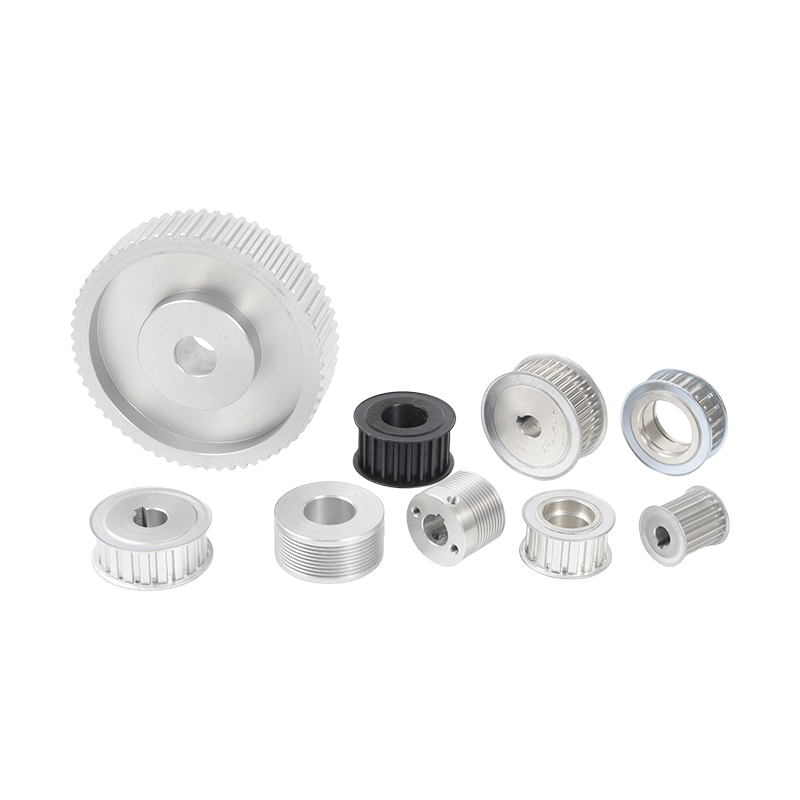 Synchronous Pulleys Manufacturers, Belt Pulleys FactoryAs China Wholesale Belt Pulleys Manufacturers and OEM Synchronous Pulleys Factory, Ningbo GUL TZ Rubber Belt Co Ltd offer Wholesale Synch...View Product →, because a worn pulley will ruin a fresh belt.
 - Engine misfire or rough idle. A stretched belt shifts valve timing slightly, upsetting idle quality and sometimes triggering misfire codes.
- Visible wear. Cracks on the ribs, frayed edges, missing chunks of tooth, a glazed or shiny back surface, or exposed cords all mean the belt is close to failure.
- Loss of power or exhaust smoke. These are late-stage symptoms of severely shifted timing, which means the belt should have been replaced earlier.
None of these symptoms alone proves the belt is at fault; ignition problems and fuel system issues mimic them. A direct visual inspection is the only way to confirm. If you want to understand what starts the damage, read our breakdown of common causes of premature timing belt wear.
What About Timing Belts That Last 150,000+ Miles?
Forum threads featuring belts that survived 150,000 or 200,000 miles appear regularly: 14 years and 170,000 miles, 20 years and 130,000 miles, even occasional references to manufacturer laboratory tests that pushed belts beyond 400,000 miles under controlled conditions. These stories are real, but they are not a plan for your car.
Extreme-mileage belts almost always come from a specific combination: long, gentle highway drives, a mild climate, a garage-parked car, regular maintenance, and often a non-interference engine where the owner decided the risk was acceptable. There is also survivorship bias. The owners who post are the ones whose gamble paid off, not the ones who paid for a new engine.
Manufacturers set replacement intervals with a safety margin. The belt may physically survive beyond the interval, and that is by design. The interval keeps you safely inside the operating window instead of parked at its edge, where one hot summer or one missed oil change can close the gap.
Replacement Interval vs. Belt Quality: Why the Part Matters
The replacement interval is set by the vehicle manufacturer, not by the belt brand. But the belt you choose determines whether that interval is realistic. An OEM-spec belt is built with the correct rubber compound, tensile cord strength, and tooth profile for your engine. A quality aftermarket belt is designed to meet or exceed those same requirements.
A cheap belt, by contrast, may use a softer rubber compound that resists heat poorly and cords that stretch under load. It can lose timing accuracy well before the scheduled interval, and it may crack or shed teeth earlier. When the labor cost is the same either way, saving a few dollars on the part is poor economy.
This is where a belt manufacturer's engineering discipline shows. A serious manufacturer documents the materials and production standards behind its quality automotive timing belts. And when you plan the job, remember that the belt is part of a system; the water pump, tensioners, and idlers often need attention at the same time. See which related parts to replace with your timing belt to avoid doing the job twice.
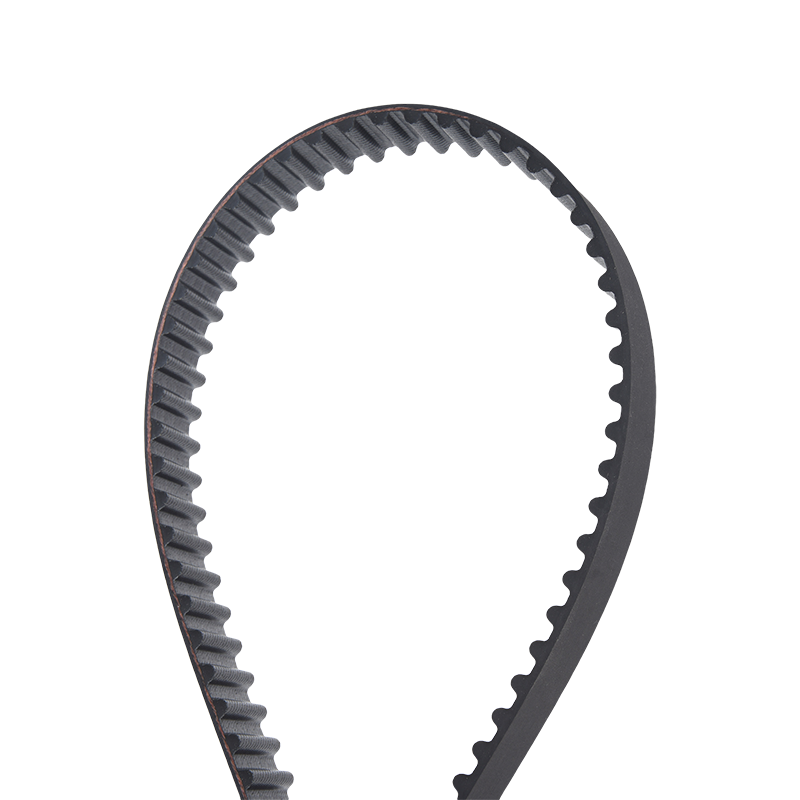 Wholesale Automotive timing belt Manufacturers,OEM Factory - Ningbo GUL TZ RubbeChina Wholesale Automotive timing belt Manufacturers, OEM Rubber Automotive timing belt Factory, Ningbo GUL TZ Rubber Belt Offer Wholesal...View Product →
Final Verdict: How Long Does a Timing Belt Usually Last?
The honest answer is 60,000 to 100,000 miles for modern vehicles, with most manufacturers specifying replacement somewhere between 60,000 and 105,000 miles. Vehicles designed before 2000 fall in the 40,000 to 60,000 mile range. Add the time rule of five to seven years, and the complete answer becomes: whichever comes first.
Your next step is simple. Find the interval in your owner's manual. If you do not have a manual, use the mileage-or-time rule above. If your car shows any of the warning signs from this article, have it inspected before the scheduled interval. When the time comes, choose a belt that meets the original specification, because the interval is only as good as the part installed.
There is no benefit to stretching the interval. The savings from delaying a belt replacement are small, and the cost of getting it wrong is large. A timing belt is one of the few engine components where a small scheduled expense protects you from a five-figure repair. Treat the interval seriously, and the belt will quietly do its job for a hundred thousand miles. To see what goes into a belt that can deliver that level of service, browse our automotive timing belt product range.
Custom Automotive Timing Belts Suppliers, CompanyNingbo GUL TZ Rubber Belt Co., Ltd. is China Custom Automotive Timing Belts Suppliers and Automotive Timing Belts Company.View Product →Hot Products
-
 View More
-
 View More
V-belt For Industry
-
 View More
T Type Industry Rubber Synchronous Belt
-
 View More
Toothed wedge belt
-
 View More
Thickened timing belt
-
 View More
Open Timing Belt
-
 View More
Automotive V-belt
-
 View More
Rubber Flat Belt
-
 View More
Ribbed Belt
-
 View More
Synchronous Pulley
-
 View More
Arc tooth industrial rubber synchronous belt
-
View More
Automotive timing belt

Do you have a question? Feel free to contact!
 Tel: +86-0574-62498188 62497298
 Fax: +86-0574-62497297
 E-mail:
  Add: No. 65, Middle Jinniu Road, Moushan Town, Yuyao City, Zhejiang Province, China
Copyright © Ningbo GUL TZ Rubber Belt Co., Ltd. All rights reserved.

OEM Rubber Driving belts Manufacturers
