
 En
En  English
 简体中文
简体中文
What effect do humid or oily environments have on the performance of automotive V-belts
Automotive V-belts are critical components in engine systems, responsible for transferring power to various accessories. Environmental factors significantly affect their performance, with humidity and oil contamination being particularly impactful. Exposure to moisture or oil can compromise friction, reduce service life, and destabilize operation, making it essential to understand these effects for reliability and longevity.
Impact of Humid Environments on V-Belts
In humid conditions, moisture from the air penetrates the V-belt surface and pulley contact area, causing material expansion. This dimensional change can alter belt tension, leading to slippage. Slippage reduces power transfer efficiency and generates localized heat, accelerating wear. Long-term exposure to high humidity softens the belt’s internal fibers, decreasing tensile strength and increasing the risk of breakage. Moisture films on the belt surface also cause fluctuations in friction, affecting the operation of engine accessories such as alternators, water pumps, and air conditioning compressors.
Impact of Oily Environments on V-Belts
Oil contamination in the engine bay, caused by leaks or spilled lubricants, severely affects V-belt performance. Oil on the belt surface drastically reduces friction with the pulley, causing slippage and abnormal noises. Continuous oil exposure softens the rubber material, leading to surface cracks, delamination, and reduced tensile strength. Certain synthetic rubber belts may experience chemical aging due to oil contact, resulting in rough surfaces, vibration, and noise, all of which compromise engine operation and driving comfort.
Combined Effects of Humidity and Oil Contamination
In real-world conditions, V-belts often face both moisture and oil simultaneously. The combination forms a lubricating film that further reduces friction, increasing slippage and heat generation. Oil adheres more strongly under humid conditions, making cleaning and maintenance difficult. Micro-cracks on the belt surface expand more rapidly, shortening service life. High engine speeds and heavy loads amplify the impact, causing unstable tension and uneven power transmission, which may affect overall vehicle performance and safety.
Maintenance Recommendations
Regular inspection of V-belts for oil contamination, cracks, or aging is essential in humid and oily environments. Keeping the engine bay clean prevents oil contact and extends belt life. Selecting high-quality belts made of oil- and moisture-resistant rubber improves adaptability to harsh conditions. Maintaining proper belt tension minimizes slippage caused by environmental factors. Timely replacement of worn belts ensures stable operation of engine accessories and avoids unexpected failures.
Hot Products
-
 View More
-
 View More
V-belt For Industry
-
 View More
T Type Industry Rubber Synchronous Belt
-
 View More
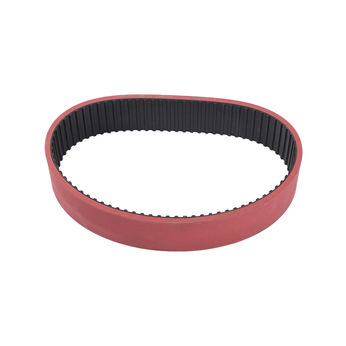
Toothed wedge belt
-
 View More
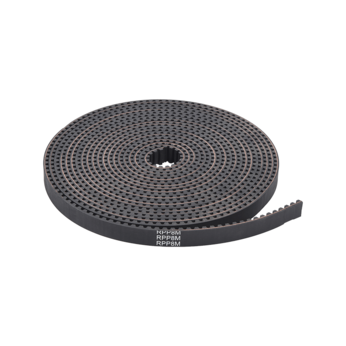
Thickened timing belt
-
 View More
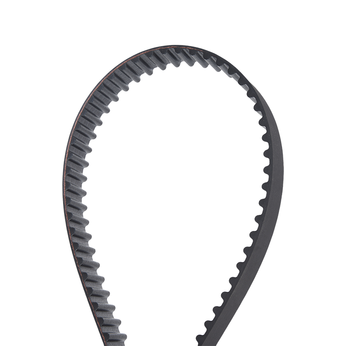
Open Timing Belt
-
 View More
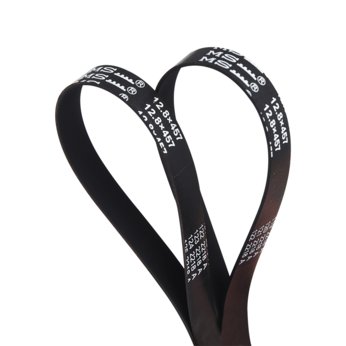
Automotive V-belt
-
 View More
Rubber Flat Belt
-
 View More
Ribbed Belt
-
 View More
Synchronous Pulley
-
 View More
Arc tooth industrial rubber synchronous belt
-
View More
Automotive timing belt

Do you have a question? Feel free to contact!
 Tel: +86-0574-62498188 62497298
 Fax: +86-0574-62497297
 E-mail:
  Add: No. 65, Middle Jinniu Road, Moushan Town, Yuyao City, Zhejiang Province, China
Copyright © Ningbo GUL TZ Rubber Belt Co., Ltd. All rights reserved.

OEM Rubber Driving belts Manufacturers
