
 En
En  English
 简体中文
简体中文
How much does the tension decay of arc-tooth synchronous belts affect transmission efficiency
Arc tooth timing belts are widely used in modern industrial transmission systems due to their unique tooth profile and high-precision performance. They are commonly applied in automation equipment, packaging machinery, printing machines, and robotic systems. The variation of belt tension during operation directly affects transmission efficiency, accuracy, and service life. This article provides a professional analysis of the impact of tension loss on the transmission efficiency of arc tooth timing belts.
Causes of Tension Loss
During long-term operation, arc tooth timing belts inevitably experience tension loss. Primary causes include material elasticity recovery, micro-wear of the tooth surface, temperature fluctuations, and insufficient initial tension during installation. The tensile layer and tooth base of the belt undergo slight elongation under repeated load, reducing tension. High-temperature or humid environments accelerate aging of rubber or polyurethane materials, further decreasing elasticity. Friction and minor sliding between teeth also contribute to tension reduction, gradually affecting the overall transmission system.
Mechanism of Transmission Efficiency Reduction
Arc tooth timing belts rely on proper tension to maintain close meshing with pulleys for stable power transmission. Insufficient tension reduces the contact pressure between teeth and pulleys, which can lead to minor slippage or increased tooth clearance. This not only lowers transmission efficiency but also generates vibration and impact. Signs of reduced efficiency include decreased output torque, higher motor power consumption, and increased positioning errors in precision machinery.
Both excessive and insufficient tension negatively affect efficiency. Low tension causes slippage, accelerating wear and reducing transmission efficiency. Excessive tension increases bearing loads and mechanical losses, similarly decreasing overall system efficiency. The curved tooth design of arc tooth belts achieves smooth engagement under optimal tension, but tension loss disrupts this balance, preventing full tooth contact and reducing transmission efficiency.
Quantitative Impact and Precision
In practical applications, the impact of tension loss on transmission efficiency can be quantified using a tension-efficiency curve. Studies show that when belt tension drops by 15% to 20% from the design value, transmission efficiency can decrease by approximately 3% to 7%, with even higher losses under heavy load conditions. Prolonged insufficient tension may lead to cumulative transmission errors, affecting the coordination and precision of multi-axis systems. For high-precision machinery, minor efficiency reductions can result in positioning deviations and decreased repeatability, impacting product quality and operational stability.
Importance of Tension Management
Maintaining proper tension is essential for ensuring the transmission efficiency of arc tooth timing belts. Regular inspection and adjustment preserve full tooth engagement, enabling efficient power transmission. Common industrial tension monitoring methods include tension meters, adjustable tensioner pulleys, and online tension monitoring systems. Effective tension management reduces energy consumption, extends belt and pulley life, and enhances overall system reliability.
The sensitivity of efficiency to tension loss also depends on belt materials and design. Arc tooth belts made with high-elasticity tensile cords, wear-resistant tooth surfaces, and thermally stable materials maintain tension longer, minimizing efficiency loss. Selecting appropriate materials and optimizing design are critical factors in achieving reliable and efficient industrial transmission.
Hot Products
-
 View More
-
 View More
V-belt For Industry
-
 View More
T Type Industry Rubber Synchronous Belt
-
 View More
Toothed wedge belt
-
 View More
Thickened timing belt
-
 View More
Open Timing Belt
-
 View More
Automotive V-belt
-
 View More
Rubber Flat Belt
-
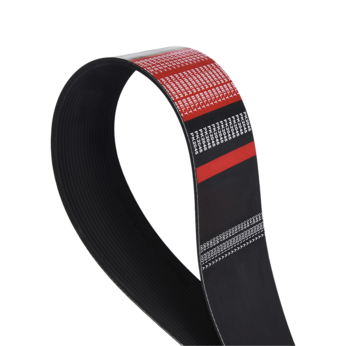 View More
Ribbed Belt
-
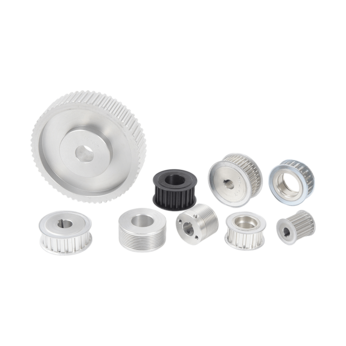 View More
Synchronous Pulley
-
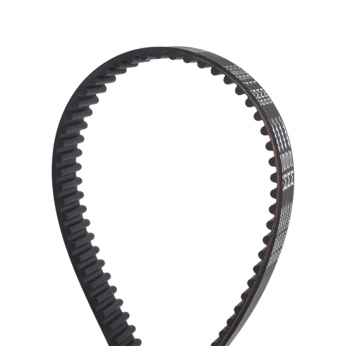 View More
Arc tooth industrial rubber synchronous belt
-
View More
Automotive timing belt

Do you have a question? Feel free to contact!
 Tel: +86-0574-62498188 62497298
 Fax: +86-0574-62497297
 E-mail:
  Add: No. 65, Middle Jinniu Road, Moushan Town, Yuyao City, Zhejiang Province, China
Copyright © Ningbo GUL TZ Rubber Belt Co., Ltd. All rights reserved.

OEM Rubber Driving belts Manufacturers
