
 En
En  English
 简体中文
简体中文
What are the possible causes of abnormal noise from the V-belt during vehicle operation
Automotive V-belts are essential components in engine power transmission systems, widely used to drive alternators, water pumps, air conditioning compressors, and power steering pumps. V-belts transfer power through friction, featuring a simple structure, high efficiency, and convenient installation and maintenance. These belts are indispensable in modern vehicle engines.
Structure and Types of V-Belts
V-belts consist of a rubber base, reinforcing fibers, and a friction layer. The rubber base provides elasticity and shock absorption, the reinforcing fibers increase tensile strength and fatigue resistance, and the friction layer ensures effective contact with pulleys. V-belts are classified by cross-section and load capacity, including types A, B, C, D, and Poly-V belts. Poly-V belts offer greater contact area and stable transmission, suitable for high-power and high-speed applications.
Working Principle of V-Belts
V-belts transmit engine rotational power to accessories through the wedge-shaped cross-section's contact with pulleys. Friction is key to power transfer, with belt tension and pulley angle directly affecting efficiency. Proper tension improves friction and prevents slippage. Excessive tension increases bearing load, energy loss, and wear, while insufficient tension can lead to belt slippage, unstable transmission, and accessory malfunction.
Performance Characteristics
V-belts are highly efficient, wear-resistant, compact, and easy to install. Their flexible materials absorb impact from engine start-up and load changes, reducing vibration. Heat resistance and oil resistance are important quality indicators. High-temperature stability ensures elasticity and strength, while resistance to oil and chemicals prevents swelling, softening, or cracking during long-term exposure.
Applications of V-Belts
Automobile engines are the primary application for V-belts. They drive alternators, water pumps, air conditioning compressors, and power steering pumps. In hybrid and electric vehicles, V-belts also drive high-voltage auxiliary systems or motor components for multi-energy conversion. V-belts are widely used in industrial machinery and agricultural equipment, offering reliable power transmission with low maintenance requirements.
Common Failures of V-Belts
V-belts may experience slippage, cracks, delamination, breakage, and abnormal wear during operation. Slippage often results from insufficient tension or reduced pulley friction. Cracks and delamination are linked to material aging, high temperature, or oil contamination. Breakage can occur under overload or fatigue. Uneven wear affects power transmission, impacting engine accessory operation and overall vehicle performance.
Maintenance and Care
Regular inspection for cracks, oil contamination, and wear is essential. Maintaining a clean engine bay prevents oil contact and extends belt life. Choosing high-quality belts made from oil- and heat-resistant materials enhances performance in harsh conditions. Proper tension ensures stable power transmission. Timely replacement of worn belts guarantees reliable operation of engine accessories and prevents unexpected failures.
Future Development Trends
V-belts are evolving toward higher wear resistance, heat resistance, low noise, and longer service life. Poly-V designs, composite materials, and advanced synthetic rubber improve stability under high power and complex conditions. Intelligent monitoring integrated with tensioners allows predictive maintenance, enhancing vehicle reliability and user experience. Future V-belt systems will continue to meet the growing demands of automotive and industrial applications.
Hot Products
-
 View More
-
 View More
V-belt For Industry
-
 View More
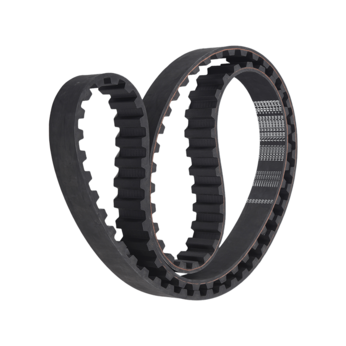
T Type Industry Rubber Synchronous Belt
-
 View More
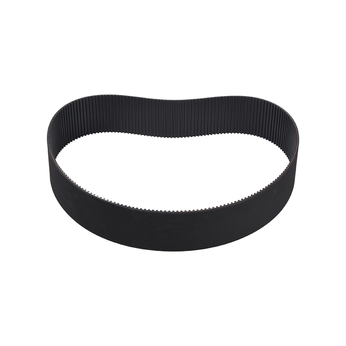
Toothed wedge belt
-
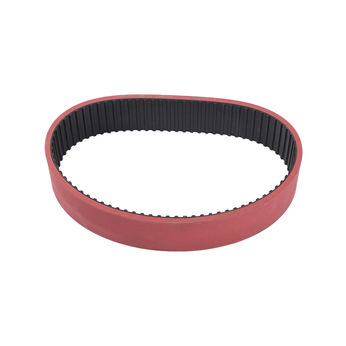 View More
Thickened timing belt
-
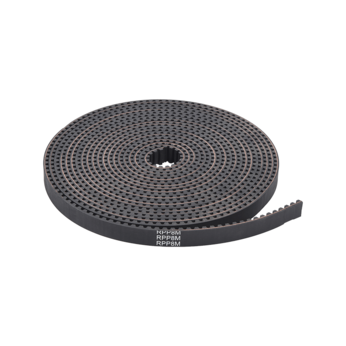 View More
Open Timing Belt
-
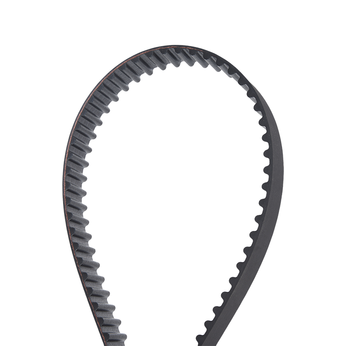 View More
Automotive V-belt
-
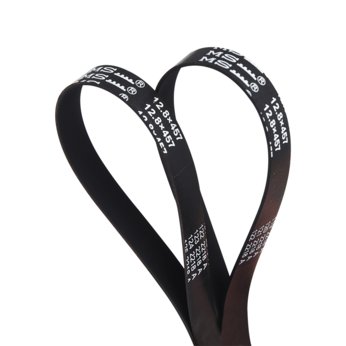 View More
Rubber Flat Belt
-
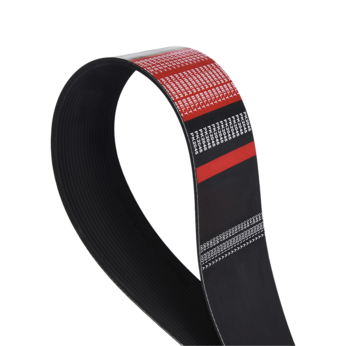 View More
Ribbed Belt
-
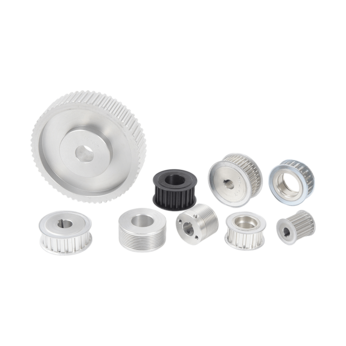 View More
Synchronous Pulley
-
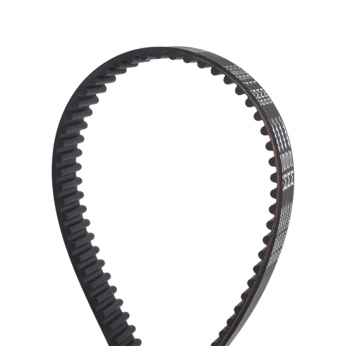 View More
Arc tooth industrial rubber synchronous belt
-
View More
Automotive timing belt

Do you have a question? Feel free to contact!
 Tel: +86-0574-62498188 62497298
 Fax: +86-0574-62497297
 E-mail:
  Add: No. 65, Middle Jinniu Road, Moushan Town, Yuyao City, Zhejiang Province, China
Copyright © Ningbo GUL TZ Rubber Belt Co., Ltd. All rights reserved.

OEM Rubber Driving belts Manufacturers
