
 En
En  English
 简体中文
简体中文
What Are the Best Industrial Rubber Belts for Your Mechanical Transmission and Conveyor Systems
In modern industrial production processes, rubber belts act as key components for power transmission and material handling. The performance of these belts directly determines the operating efficiency and system stability of mechanical equipment. Whether it is ore transport in heavy industry environments or power transmission in precision manufacturing, understanding the technical characteristics of different rubber belts is essential to ensure operational continuity.
Selection Logic for Rubber Belts in Material Handling Systems
In the field of material transport, the selection of an industrial conveyor belt must be based on the physical properties of the materials, the conveying angle, and environmental conditions. The core construction of a rubber conveyor belt typically consists of high-strength carcass materials such as nylon canvas, polyester canvas, or steel cords, combined with cover rubber layers featuring wear resistance and corrosion resistance.
Based on material characteristics, a heat resistant conveyor belt is the preferred choice for handling high-temperature minerals, sintered ores, or coke. These belts utilize specialized synthetic rubber formulations that maintain physical properties in sustained high-temperature environments, preventing cracks, hardening, or excessive elongation. Key technical parameters for performance evaluation are listed below:
| Technical Parameter | Standard Conveyor Belt | heat resistant conveyor belt |
| Operating Ambient Temperature | -10℃ to 60℃ | 100℃ to 300℃ |
| Cover Rubber Performance | Excellent Wear Resistance | Heat Oxidation and Thermal Deformation Resistance |
| Service Life (High Temp) | Very Short (Rapid Carbonization) | Stable, Meets Target Metrics |
| Elongation (at Rated Load) | 1.5% - 2.5% | 1.0% - 2.0% |
Key Factors for Power Transmission in Mechanical Drive Systems
In the field of mechanical transmission, the design goal of rubber drive belts is to achieve efficient torque transmission and stable operation. Unlike conveyor applications, rubber belts for machinery focus on fatigue strength, modulus stability, and precise fitment with pulley profiles.
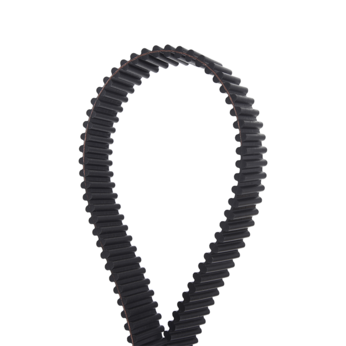
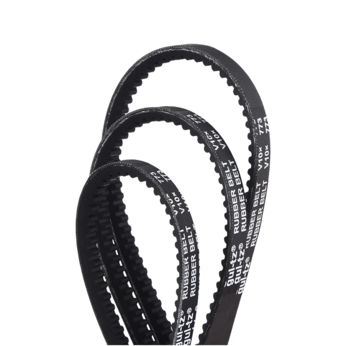
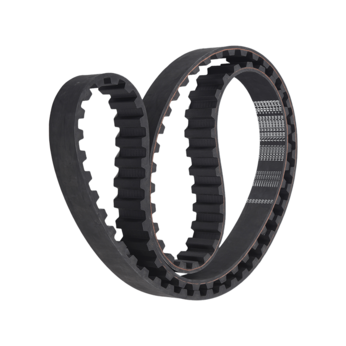
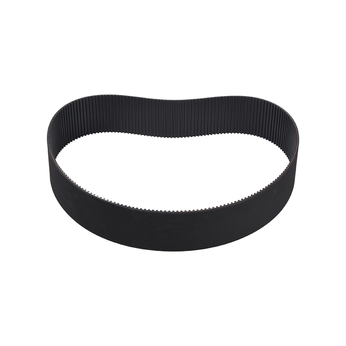
Whether for timing belts or V-belts, design selection must consider the pitch length and bending resistance of the drive system. reinforced rubber belting utilizes high-modulus fiber reinforcement materials such as aramid or glass fiber to significantly increase tensile strength and reduce creep during operation. For high-load drive scenarios, belts with reinforced structures can effectively reduce maintenance costs associated with belt stretching, ensuring precise speed ratios between drive and driven shafts.
Structural Characteristics and Maintenance Points for Rubber Transmission Belts
The performance of rubber belts depends not only on materials but also on structural design. In demanding industrial applications, rational maintenance programs can significantly extend equipment operating cycles.
Tension Management: For both drive belts and conveyor belts, improper tension accelerates fatigue wear. Monitor tension according to the settings in equipment manuals to ensure the belt maintains an ideal wrap angle during dynamic operation.
Environmental Adaptability: In environments involving chemical corrosion or extreme temperature fluctuations, select synthetic rubber formulations with oil, acid, alkali, or heat resistance.
Alignment Calibration: For an industrial conveyor belt, aligning the centerline of the pulleys and the belt is critical to prevent tracking issues. Periodically inspect the rotation flexibility and installation position of support idlers to reduce lateral stress and extend service life.
Technical Recommendations for Enhancing System Efficiency
When facing diverse operational requirements, prioritize analysis of load demands. For instance, in applications subject to high impact loads, prioritize reinforced rubber belting with high impact resistance. In long-span material transport, consider the dynamic fatigue resistance of the rubber conveyor belt and the tensile strength of the belt fasteners.
Through precise selection of rubber belts for machinery and various conveyor belts, production systems can effectively reduce downtime caused by frequent maintenance. When performing technical selection, focus on auditing the wear coefficient of the cover layer, the breaking load of the carcass materials, and aging test data under specific environments such as humidity, dust, or high temperatures. Through these technical parameter comparisons, one can ensure that the selected belts reach an optimal physical match with existing mechanical transmission systems, achieving efficient and stable operation of production lines.
Hot Products
-
 View More
-
 View More
V-belt For Industry
-
 View More
T Type Industry Rubber Synchronous Belt
-
 View More
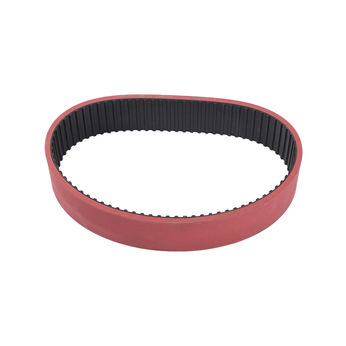
Toothed wedge belt
-
 View More
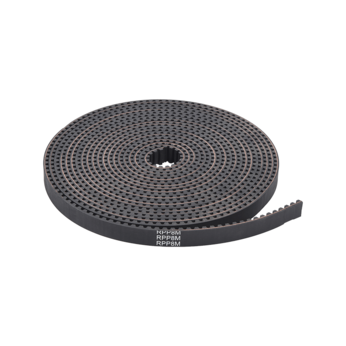
Thickened timing belt
-
 View More
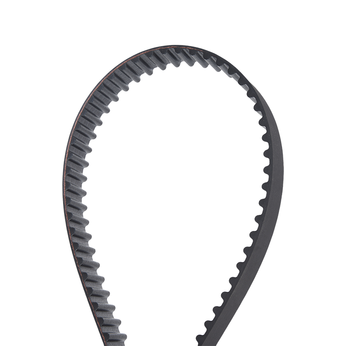
Open Timing Belt
-
 View More
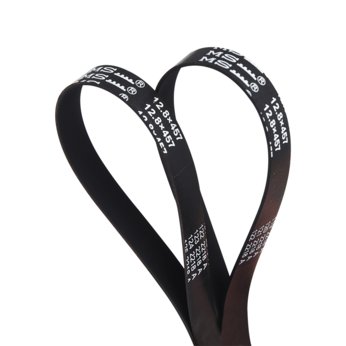
Automotive V-belt
-
 View More
Rubber Flat Belt
-
 View More
Ribbed Belt
-
 View More
Synchronous Pulley
-
 View More
Arc tooth industrial rubber synchronous belt
-
View More
Automotive timing belt

Do you have a question? Feel free to contact!
 Tel: +86-0574-62498188 62497298
 Fax: +86-0574-62497297
 E-mail:
  Add: No. 65, Middle Jinniu Road, Moushan Town, Yuyao City, Zhejiang Province, China
Copyright © Ningbo GUL TZ Rubber Belt Co., Ltd. All rights reserved.

OEM Rubber Driving belts Manufacturers
