
 En
En  English
 简体中文
简体中文
What Is a Micro Ribbed V Belt and How Do V Ribbed Belts Improve Power Transmission
In modern power transmission systems, micro ribbed v belt, v ribbed belts, and ribbed belt structures have become widely adopted configurations for efficient mechanical power delivery. Among them, micro ribbed v belt is increasingly used in compact machinery and high-speed operating environments due to its enlarged contact surface and flexible transmission characteristics. Different structural types such as poly v ribbed belt, micro v multi ribbed belt, automotive v ribbed belt, and v ribbed drive belt demonstrate significant differences in design logic and force distribution mechanisms.
ribbed belt v and ribbed belt Structural Fundamentals
ribbed belt v systems differ from traditional V-belts by replacing the single trapezoidal profile with multiple longitudinal ribs. The ribbed belt structure creates multi-point contact with pulley grooves, improving friction-based power transfer efficiency.
Typical structural components of a ribbed belt include:
rubber matrix providing flexibility and wear resistance
tension reinforcement layer made of high-strength fibers
ribbed driving surface responsible for torque transmission
This configuration allows v ribbed belts to maintain lower slip rates under identical tension conditions while reducing heat buildup during operation.
v ribbed belts Working Transmission Principle
The working principle of v ribbed belts is based on enhanced friction generated by wedge-shaped contact geometry. When the belt engages with the pulley, multiple ribs form continuous contact lines that increase load distribution capacity.
Key operational characteristics include:
multi-point contact reducing localized stress concentration
improved flexibility for small pulley diameters
stable performance under high-speed rotation
reduced vibration and noise levels
In practical applications, the v ribbed drive belt is widely used in compact systems requiring high power density transmission.
poly v ribbed belt Material and Structural Performance
The poly v ribbed belt is typically constructed using elastomeric composite materials combined with reinforced polyester or aramid cords, providing enhanced tensile strength and durability.
Performance characteristics comparison includes:
higher tensile strength compared to traditional single V-belts
better adaptability to small pulley diameters
broader operating temperature tolerance
improved lifespan under continuous high-load conditions
Due to continuous surface contact across multiple ribs, the poly v ribbed belt demonstrates stable performance in high-speed transmission systems.
automotive v ribbed belt Application in Engine Systems
The automotive v ribbed belt is primarily used in engine accessory drive systems including alternators, compressors, and water pumps.
Key operating features include:
strong capability for multi-accessory synchronous drive
compact structure suitable for engine compartment constraints
dependency on tensioner systems for stable operation
requirement for constant tension to prevent slippage
Due to complex engine operating conditions, the automotive v ribbed belt must withstand frequent start-stop cycles and temperature fluctuations, making fatigue resistance a critical performance factor.
micro v multi ribbed belt Fine Structure Analysis
The micro v multi ribbed belt features a finer rib pitch design with increased contact points per unit length, significantly enhancing force distribution efficiency.
Structural advantages include:
higher power density transmission capability
smoother torque output behavior
reduced vibration during operation
better suitability for compact high-speed electric systems
In precision equipment applications, the micro v multi ribbed belt enables efficient energy transfer within limited installation space.
ribbed belt drive belt Performance Comparison
Different types of ribbed belt drive belt systems vary mainly in rib spacing, thickness, and reinforcement structure.
Typical performance differences include:
standard ribbed belt suitable for medium load applications
v ribbed drive belt offering improved friction efficiency
poly v ribbed belt optimized for high-speed and high-load environments
micro ribbed v belt designed for precision transmission systems
From a structural perspective, smaller rib spacing increases contact points and improves transmission stability, but also requires higher manufacturing precision.
Wear Behavior and Failure Modes
During long-term operation, ribbed belt systems may experience several common failure patterns:
rib wear leading to reduced contact efficiency
insufficient tension causing slippage
thermal aging resulting in material hardening
misalignment causing uneven wear patterns
rib fracture leading to sudden failure
In particular, the micro ribbed v belt requires higher installation accuracy and precise tension control due to its fine structural design.
In v ribbed belts systems, uniform tension distribution significantly influences service life, while in automotive v ribbed belt applications, thermal fatigue remains a dominant degradation factor.
ribbed belt v System Structural Characteristics
In complex transmission assemblies, ribbed belt v configurations are commonly used in multi-shaft drive systems.
Key advantages include:
capability for synchronized multi-load transmission
adaptability to multi-angle routing paths
improved space utilization efficiency
reduction in the number of transmission stages required
This structural configuration provides stable performance in compact mechanical layouts, particularly under continuous high-speed operation conditions.
Hot Products
-
 View More
-
 View More
V-belt For Industry
-
 View More
T Type Industry Rubber Synchronous Belt
-
 View More
Toothed wedge belt
-
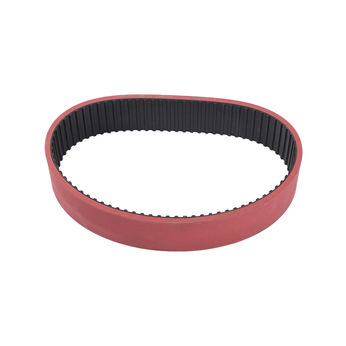 View More
Thickened timing belt
-
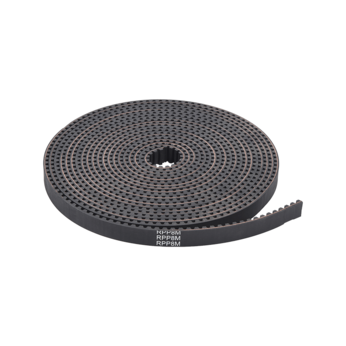 View More
Open Timing Belt
-
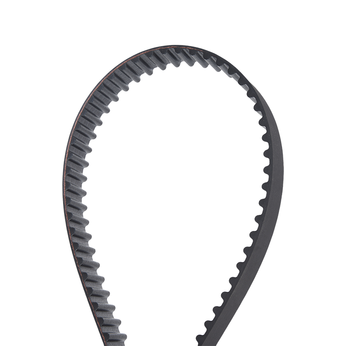 View More
Automotive V-belt
-
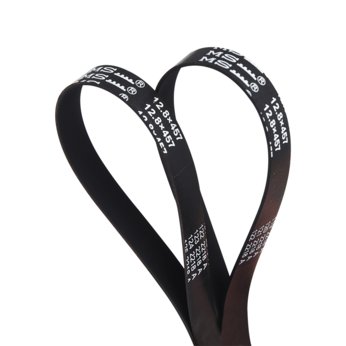 View More
Rubber Flat Belt
-
 View More
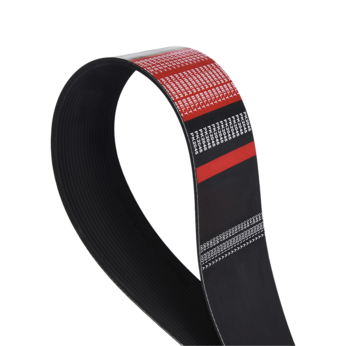
Ribbed Belt
-
 View More
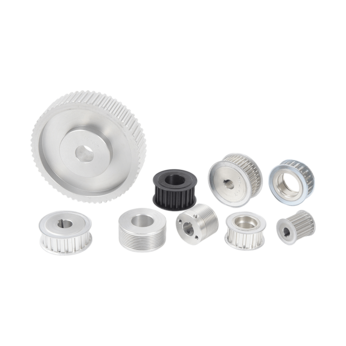
Synchronous Pulley
-
 View More
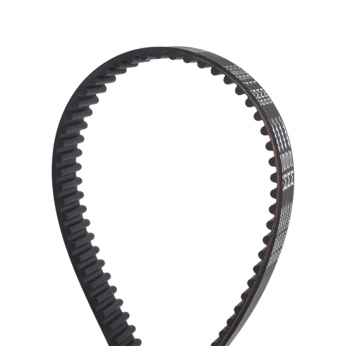
Arc tooth industrial rubber synchronous belt
-
View More
Automotive timing belt

Do you have a question? Feel free to contact!
 Tel: +86-0574-62498188 62497298
 Fax: +86-0574-62497297
 E-mail:
  Add: No. 65, Middle Jinniu Road, Moushan Town, Yuyao City, Zhejiang Province, China
Copyright © Ningbo GUL TZ Rubber Belt Co., Ltd. All rights reserved.

OEM Rubber Driving belts Manufacturers
