
 En
En  English
 简体中文
简体中文
Industrial Transmission Showdown: Engineering Analysis of Timing Belt vs Chain Drive in Complex Environments
In the realm of modern mechanical design and industrial automation, balancing high efficiency, longevity, and low maintenance costs is a core challenge for every mechanical engineer. Timing Belt and Chain Drive systems serve as the two most established power transmission solutions, each carrying distinct technical advantages.
Core Transmission Principles: The Interplay of Friction and Engagement
A Chain Drive relies on the mechanical engagement between metal chain links and sprocket teeth to transmit torque. This "hard-link" approach provides extreme reliability when enduring heavy loads. Chains are typically manufactured from high-strength alloy steel, allowing them to resist high temperatures, oil contamination, and certain chemical corrosive environments.
In contrast, a Timing Belt falls under the category of flexible transmission. It utilizes a tensile layer—usually Glass Fiber or Steel Cord—to provide tensile strength, while the precise meshing between the belt teeth and the pulley achieves slip-free synchronous transmission. This method combines the smoothness of belt drives with the synchronization of chain drives, reducing system inertia and significantly improving linear response sensitivity.
Maintenance Costs and Lubrication Requirements
A significant characteristic of the Chain Drive is the necessity for continuous or periodic Lubrication. Direct friction between metal components without oil quickly leads to chain elongation, sprocket wear, and potential breakage. Furthermore, the use of lubricants carries the risk of environmental contamination, making it unsuitable for food processing or medical equipment.
The Timing Belt offers a "maintenance-free" characteristic. Since its primary materials are synthetic rubber or Polyurethane, no lubricants are required during operation. This eliminates oil splash issues and drastically reduces labor costs for long-term maintenance. For factories requiring high cleanliness standards, such as Cleanroom environments, the timing belt holds a decisive advantage.
Noise Control and Vibration Damping
Under high-speed operating conditions, Chain Drive systems inevitably generate high-frequency vibration and noise due to the "Polygon Effect" of metal-to-metal impact. As the chain pitch increases, this noise pollution becomes more severe, potentially affecting the readings of sensitive precision sensors.
The Timing Belt exhibits excellent vibration damping properties. The flexible composite materials absorb instantaneous shock loads, keeping operational noise at a very low level. Whether in office printers or precision CNC machinery, timing belts provide a nearly silent power transmission experience.
Tensile Strength and Elongation Performance
While Chain Drive systems possess high strength, mechanical wear between the pins and bushings over time leads to physical "stretching" or Elongation, which alters the transmission ratio and causes jitter.
Modern high-performance Timing Belt designs utilize Carbon Fiber or Aramid as tensile members, resulting in an extremely low Elongation rate. This means that throughout its service life, the belt rarely requires tension readjustment, ensuring long-term precision of the transmission system.
Spatial Layout and Weight Efficiency
In aerospace and mobile robotics, system lightweighting is critical. A Timing Belt typically weighs only 20% to 30% of a chain with equivalent load capacity. This weight advantage reduces the load on the drive motor and improves the dynamic response speed of the system.
Additionally, the flexibility of the belt allows for smaller pulley diameters, enabling complex routing and compact layouts within tight chassis spaces.
Environmental Tolerance Comparison
The Chain Drive remains irreplaceable in extreme environments. For instance, in temperatures exceeding 200°C, or when exposed to intense UV radiation and extreme outdoor cold, metal chains outperform most rubber or plastic products.
However, with advancements in material science, heat-resistant and oil-resistant Timing Belt variants can now cover over 90% of industrial application scenarios.
Selection Logic: Choosing the Optimal Solution
- Load Density: For ultra-high torque in extremely confined spaces, Chain Drive remains the traditional robust choice.
- Precision and Cleanliness: For automated assembly, laboratory equipment, and high-speed packaging lines, Timing Belt is the superior solution.
- Total Cost of Ownership (TCO): When considering lubrication costs, downtime replacement costs, and energy consumption, the Timing Belt generally shows better economic performance over a lifecycle of 3 years or more.
Hot Products
-
 View More
-
 View More
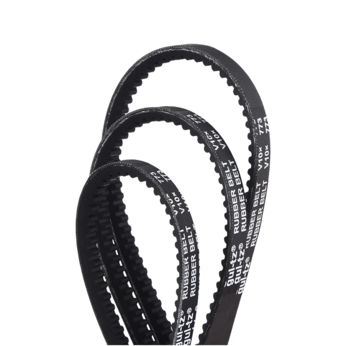
V-belt For Industry
-
 View More
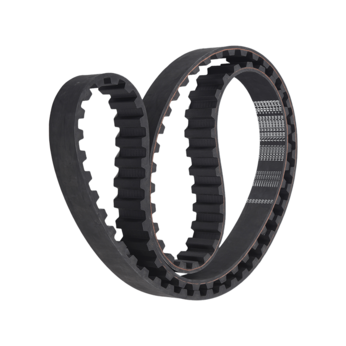
T Type Industry Rubber Synchronous Belt
-
 View More
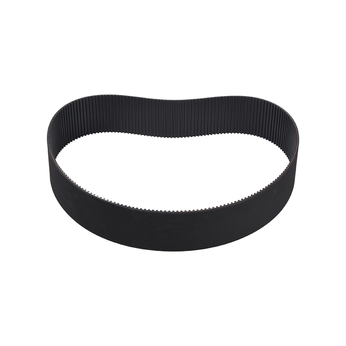
Toothed wedge belt
-
 View More
Thickened timing belt
-
 View More
Open Timing Belt
-
 View More
Automotive V-belt
-
 View More
Rubber Flat Belt
-
 View More
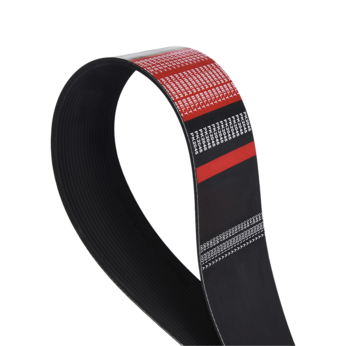
Ribbed Belt
-
 View More
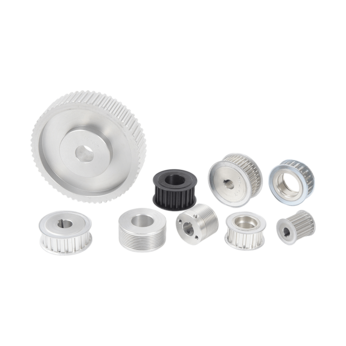
Synchronous Pulley
-
 View More
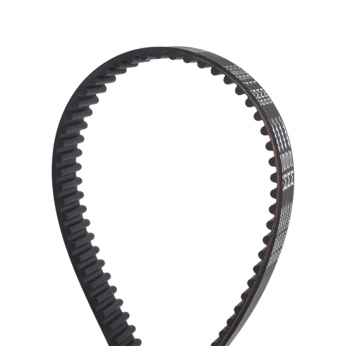
Arc tooth industrial rubber synchronous belt
-
View More
Automotive timing belt

Do you have a question? Feel free to contact!
 Tel: +86-0574-62498188 62497298
 Fax: +86-0574-62497297
 E-mail:
  Add: No. 65, Middle Jinniu Road, Moushan Town, Yuyao City, Zhejiang Province, China
Copyright © Ningbo GUL TZ Rubber Belt Co., Ltd. All rights reserved.

OEM Rubber Driving belts Manufacturers
