
 En
En  English
 简体中文
简体中文
How Sensitive Are Timing Belts to Solvents? Full Risk Guide
Your engine has been leaking oil for a while, or a can of brake cleaner sprayed near the timing cover during a recent repair. The follow-up question is usually the same: will the timing belt fail because of that solvent? The honest answer is that automotive timing belts are genuinely sensitive to solvents, but a single drop is rarely fatal. The risk depends on three factors: the type of solvent, how long it stays in contact, and the rubber compound the belt is made from. This guide explains the chemistry behind solvent damage, ranks the fluids found in an engine bay, describes how damage progresses, and tells you what to check before a small leak becomes an expensive engine failure.
Why Solvents Are a Real Threat to Timing Belts
Most automotive timing belts are built from a rubber matrix such as chloroprene rubber (CR) or hydrogenated nitrile rubber (HNBR), reinforced with glass fiber or aramid cords and finished with a wear-resistant fabric on the tooth face. That rubber matrix is a polymer network of long, cross-linked molecular chains, and that network is precisely what solvents attack.
Solvent damage happens through two routes. The first is physical swelling. Solvent molecules are small enough to diffuse into the rubber network, push the polymer chains apart, and enlarge the material. A swollen belt loses dimensional accuracy, and the tooth profile begins to distort. The second route is chemical degradation. Aggressive solvents can break cross-links or shorten polymer chains, causing the rubber to either harden and crack or soften into a sticky, weak mass. Both routes shorten the belt's service life, even when the fiber reinforcement still appears intact.
Not every solvent behaves the same way. Some, like engine oil, act as slow, chronic aggressors that cause damage over weeks and months of sustained contact. Others, such as carburetor cleaner, attack the rubber surface within minutes. That difference matters because it changes how urgently you should respond. For a wider view of how timing belt materials react to heat and chemicals together, our guide to the temperature and chemical resistance of synchronous timing belts covers the combined effects in more detail.
Common Engine Solvents and Their Risk Levels
Not all fluids under the hood pose the same threat. The table below ranks the solvents a timing belt is most likely to encounter in a real engine bay, along with the typical damage profile for each.
| Solvent | Risk Level | What to Know |
|---|---|---|
| Engine oil | Moderate to high | Prolonged oil soak softens the rubber and accelerates aging; occasional drips wiped away quickly are far less dangerous. |
| Gasoline / diesel | High | Fuel hydrocarbons swell most rubber compounds quickly, even in brief contact. |
| Brake fluid (DOT 3/4) | High | Glycol ethers are aggressive toward rubber and can cause softening or blistering on contact. |
| Carburetor or brake cleaner spray | Very high | Strong solvent aerosols attack the surface almost immediately; even overspray is a risk. |
| Coolant (ethylene glycol) | Moderate to low | Long-term contact can slowly degrade some rubber compounds, but short exposure is usually not critical. |
| Washer fluid | Low | Brief, incidental contact is essentially harmless for most belt compounds. |
These risk levels describe typical behavior for common rubber compounds. Exact tolerance always depends on the belt manufacturer's material formulation. A belt designed with an oil-resistant compound handles certain fluids better than a general-purpose one, which is why the supplier's technical documentation remains the final reference. Oil-bath timing belt systems, used in some modern direct-injection engines, run on specially formulated belts engineered for continuous oil immersion and fall outside the scope of this general guide.
How Solvent Exposure Damages a Timing Belt (Stage by Stage)
Solvent damage is rarely a single instant event. It develops in stages, and understanding each stage gives you a chance to act before catastrophic failure.
- Early stage: surface-level changes only. You may notice a slight sheen on the belt back, a tacky feeling on the tooth fabric, or tiny fibers lifting from the edges. The belt may still perform normally at this point, but the rubber's protective surface is already compromised.
- Middle stage: physical performance drops. Swelling distorts the tooth geometry, and the belt loses dimensional stability. New noises from the timing cover, unusual stiffness or softness of the belt, and increasing vibration all point to declining strength and elasticity.
- Late stage: structural failure. Tooth roots crack, the belt body twists, teeth skip on the sprockets, or the belt snaps completely. When this happens, the engine can suffer severe internal damage. Many of the failures described in our article on common timing belt faults begin this way.
Solvent damage also accelerates the normal aging process of the belt. Heat cycles, ozone, and mechanical stress already degrade the rubber over time, and solvent exposure simply speeds up the same weakening. For a belt that has been heavily contaminated, the remaining service life can be drastically shorter than the odometer suggests.
The key point is that most solvent damage leaves observable clues before the belt fails. Early detection is what separates a routine belt replacement from a full engine repair.
Are All Timing Belts Equally Sensitive? (Material Matters)
The short answer is no. The rubber compound selected by the manufacturer sets the baseline for solvent sensitivity, which is why two belts that look identical can react very differently to the same fluid.
Chloroprene rubber has long been a standard for automotive timing belts because of its balanced mechanical properties and reasonable cost. Hydrogenated nitrile rubber provides distinctly better resistance to oil and many chemicals, so it appears more often in high-performance and OEM belts where oil exposure is a known risk. This relative difference is well established across the industry, but it does not mean every HNBR belt outperforms every CR belt in every condition. Filler systems, curing methods, and the specific formulation all affect the final result.
The practical takeaway for buyers is straightforward: if your engine has a history of oil leaks or operates in a chemical-heavy environment, choose a belt with a confirmed oil-resistant compound rather than relying on price or reputation alone. Ask the supplier for material compatibility data or a technical data sheet before purchasing. If you are evaluating options, our automotive timing belt range provides a starting point for discussing material selection and solvent resistance with our engineers.
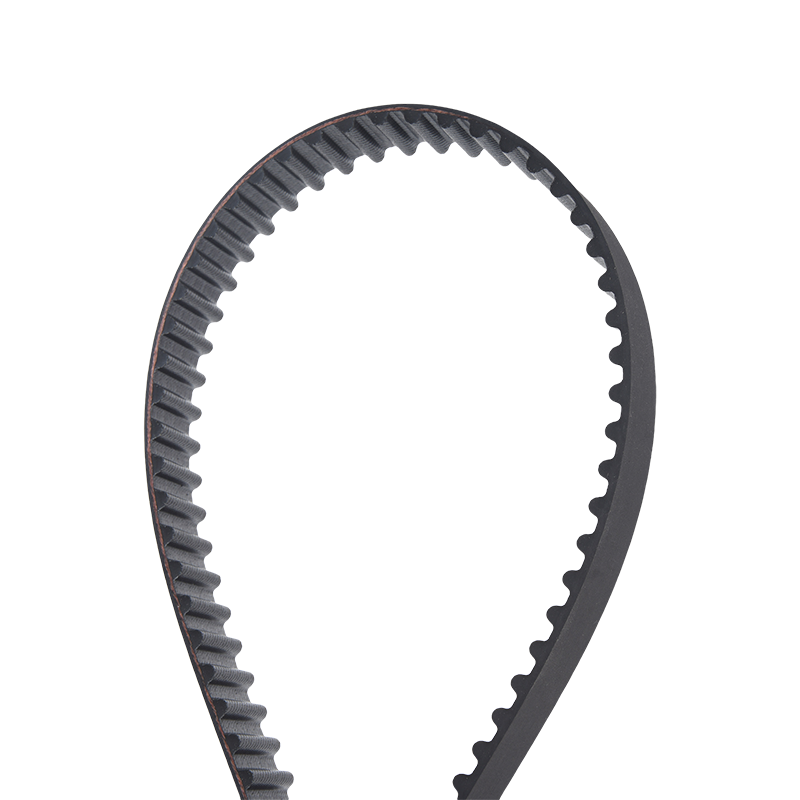 Wholesale Automotive timing belt Manufacturers,OEM Factory - Ningbo GUL TZ RubbeChina Wholesale Automotive timing belt Manufacturers, OEM Rubber Automotive timing belt Factory, Ningbo GUL TZ Rubber Belt Offer Wholesal...View Product →
How to Inspect for Solvent Damage (Practical Checklist)
If you suspect solvent exposure may have affected your timing belt, a straightforward five-point inspection will help you decide how urgently a workshop visit is needed. This is not a substitute for professional diagnosis, but it catches most of the common damage patterns.
- Visual surface check: Look for uneven gloss, dull patches, discoloration, protruding fibers, or visible swelling along the belt back and tooth flanks.
- Touch test: Run a finger along the belt body. An unusually tacky or sticky surface indicates softening; a hard, brittle feel indicates chemical degradation.
- Tooth profile check: Healthy teeth have crisp, clean edges. Rounded, distorted, or cracked tooth roots point to swelling or hardening damage.
- Sound check: Listen for new squeals, chirps, or light knocks from the timing cover area, which can mean the belt is no longer running true.
- Service history review: Check whether recent repairs involved solvent sprays near the timing cover or whether any oil, fuel, or coolant leak has been present for a while.
If any of these symptoms appear and the belt is close to its recommended service interval, replace it without delay. A solvent-damaged belt can fail far earlier than its mileage suggests.
How to Prevent Solvent-Related Timing Belt Failure
Prevention is straightforward once you accept that solvents and rubber do not mix well. These five practices keep the risk low:
- Fix fluid leaks at the source. Valve cover gaskets, crankshaft oil seals, and camshaft seals are common leak points that allow oil to accumulate near the belt. After the repair, clean the area thoroughly so residual fluid does not keep soaking the belt.
- Shield the timing cover area during maintenance. Before using any solvent-based spray, cover the timing cover and nearby components with plastic film or a clean cloth. This protects not only the timing belt but also ribbed belts for engine accessory drives
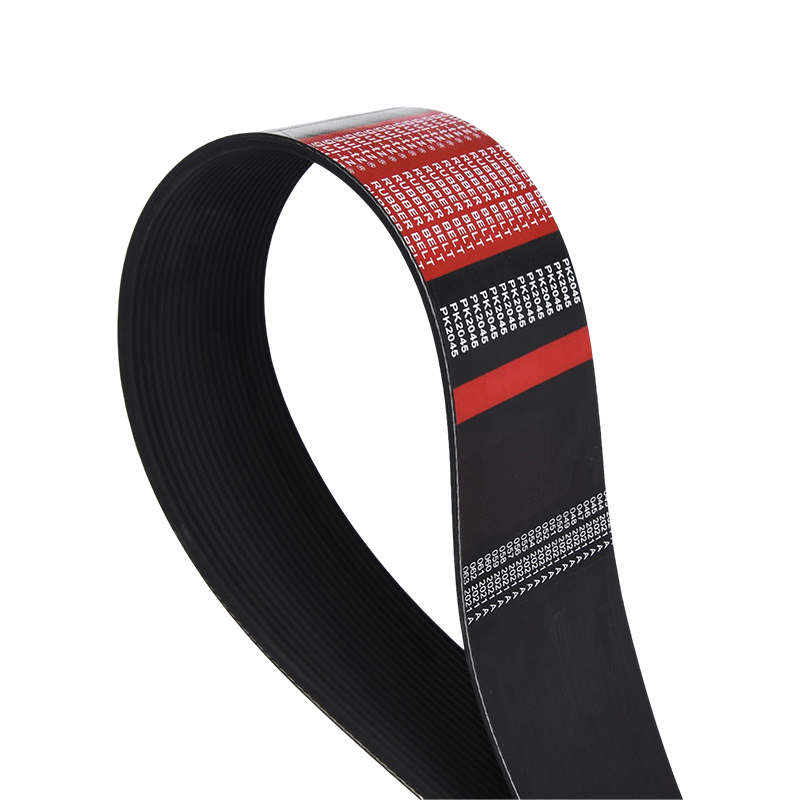 Poly-V Belts, Ribbed Belts Manufacturers, PK Belts FactoryNingbo GUL TZ Rubber Belt Co., Ltd. is China Wholesale Ribbed Belts Manufacturers and Poly-V Belts Factory, offer OEM Poly-V Ribbed Belts...View Product →, which face the same overspray risk.
 - Choose a belt matched to the environment. If your engine has a history of minor leaks and solvent exposure is difficult to avoid, select a belt with better oil resistance and confirm its compatibility with the manufacturer.
- Inspect the timing cover area during routine service. Look for oil stains, cleaner residue, or coolant drips that could be reaching the belt.
- Follow the manufacturer's replacement intervals. No belt lasts forever, and one that has been exposed to solvents should be treated as having a reduced safety margin. Our guide to timing belt replacement intervals explains how to plan the change properly.
Conclusion
Timing belts are genuinely sensitive to solvents, but the degree of sensitivity varies widely with the type of fluid, the duration of contact, and the rubber compound used. Engine oil and coolant pose moderate risks that escalate with prolonged exposure. Fuel and brake fluid are more aggressive, and aerosol cleaners can damage a belt quickly even with brief contact. Regular inspection, prompt leak repair, protective shielding during maintenance, and choosing a belt that matches your operating conditions are the four most effective ways to manage the risk. When in doubt, ask a professional technician or the belt manufacturer before keeping a questionable belt in service. A new belt costs far less than the engine damage that follows a failure.
Hot Products
-
 View More
-
 View More
V-belt For Industry
-
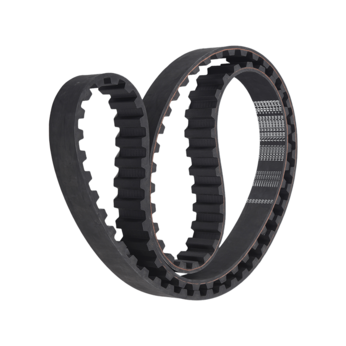 View More
T Type Industry Rubber Synchronous Belt
-
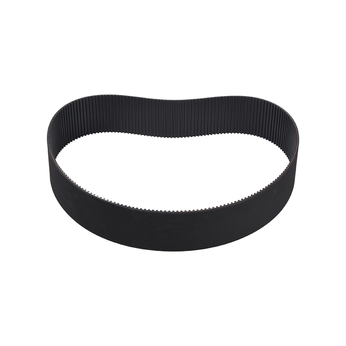 View More
Toothed wedge belt
-
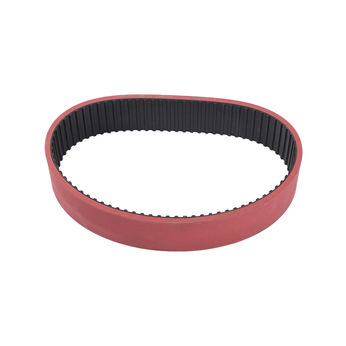 View More
Thickened timing belt
-
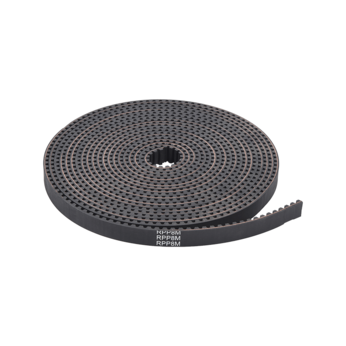 View More
Open Timing Belt
-
 View More
Automotive V-belt
-
 View More
Rubber Flat Belt
-
 View More
Ribbed Belt
-
 View More
Synchronous Pulley
-
 View More
Arc tooth industrial rubber synchronous belt
-
View More
Automotive timing belt

Do you have a question? Feel free to contact!
 Tel: +86-0574-62498188 62497298
 Fax: +86-0574-62497297
 E-mail:
  Add: No. 65, Middle Jinniu Road, Moushan Town, Yuyao City, Zhejiang Province, China
Copyright © Ningbo GUL TZ Rubber Belt Co., Ltd. All rights reserved.

OEM Rubber Driving belts Manufacturers
