
 En
En  English
 简体中文
简体中文
Why Replace Water Pump with Timing Belt? 5 Key Reasons
You are sitting in a repair shop, looking at an estimate for a timing belt replacement. The line items include the belt, a tensioner, several hours of labor, and one more component you did not expect: a water pump. The pump is not leaking. It is not making noise. The engine is running fine. So why is the mechanic recommending it, and is it worth the extra money?
What Is the Water Pump's Role in Your Engine?
The water pump is the driving force behind your engine's cooling system. It pushes coolant through the engine block, cylinder head, and radiator in a continuous loop, carrying combustion heat away from the metal surfaces that surround the cylinders. Without a functioning water pump, an engine can overheat in a matter of minutes, and prolonged overheating can warp the cylinder head, crack the engine block, or destroy the head gasket.
In most passenger vehicles, the water pump is mounted inside or directly behind the timing belt housing, and it shares the same drive mechanism as the timing belt. The crankshaft turns the timing belt, and the timing belt turns both the camshaft and the water pump pulley. This single arrangement controls valve timing and coolant circulation simultaneously, which is why the two components are so closely linked in maintenance planning.
The Mechanical Connection: Why Your Timing Belt Drives the Water Pump
Automakers design engines this way for good reasons. Using one belt to drive multiple components reduces the number of moving parts, saves space in the engine bay, and lowers production cost. On many four-cylinder engines, the timing belt routes around the crankshaft sprocket, one or two camshaft sprockets, and the water pump pulley, all inside a single covered assembly.
But this efficient design has a maintenance consequence. To reach the timing belt, a technician must remove a significant amount of surrounding hardware: the accessory drive belts, the engine mount, the timing belt cover, and sometimes the crankshaft damper. On many engines, the water pump sits directly in the belt path, meaning it has to be loosened or removed anyway as part of the service. If you want the full technical breakdown, it is worth reading how a timing belt works in detail.
The key point is this: the largest share of the cost in a timing belt job is not the parts, but the hours of labor required to reach them. Since the water pump is already exposed when the belt is being replaced, installing a new pump at the same time adds very little additional work.
Five Solid Reasons to Replace the Water Pump with the Timing Belt
Here are the five reasons that professional technicians and automotive engineers give when asked about replacing the water pump together with the timing belt.
1. You Are Already Paying for Most of the Labor
A timing belt replacement is one of the more labor-intensive routine services. The technician must remove the accessory drive belts, support the engine and remove the engine mount, take off the upper and lower timing covers, release the belt tensioner, and often break loose a tightly torqued crankshaft bolt. Depending on the vehicle, this process takes between two and six hours of shop time.
Adding the water pump to the same job typically costs an extra 30 to 60 minutes, because the pump is already accessible. If you skip the pump now and it fails in 10,000 or 20,000 miles, you will pay for the entire two-to-six-hour disassembly process again, just to reach a part that is comparatively inexpensive. The labor you have already committed to is the core reason to replace the pump while everything is apart.
2. The Total Cost Is Lower in the Long Run
Comparing the two strategies side by side makes the financial logic obvious. Replacing the water pump later does not reduce the total cost; it increases it, because the labor is billed twice.
| Strategy | Labor | Parts | Result |
|---|---|---|---|
| Replace belt only now; pump fails later | Two full service charges | Belt, tensioner, pump purchased separately | Highest total cost |
| Replace belt and water pump together now | One full service charge plus minor extra time | Belt, tensioner, and pump purchased once | Lowest total cost |
| Replace belt only; vehicle sold within months | One full service charge | Belt and tensioner only | Sensible only if you will not own the car long |
For most vehicles, the water pump part itself costs between $80 and $250, while the labor to access it is several times that amount. The industry experience is clear: parts are the small line item, and labor is the large one. Paying for that labor twice is the most expensive way to maintain your cooling system.
3. A Failed Water Pump Can Destroy Your New Timing Belt
This is the scenario that turns an inconvenient repair into a disaster. Water pump bearings wear with mileage. When they wear, the pump shaft develops play, and the pulley begins to wobble as it rotates. Because the timing belt grips that same pulley, the wobble creates uneven tension in the belt, accelerating its wear and, in some cases, causing it to jump teeth and throw the valve timing out of sync.
In the worst case, the bearing seizes completely. The pump locks up while the crankshaft is still turning, and the timing belt is caught between a rotating crankshaft sprocket and a stationary pump pulley. The belt shreds in seconds. On an interference engine, where the pistons and valves occupy the same space at different moments of the cycle, the sudden loss of timing can cause pistons to smash into open valves. Repairs of that kind routinely cost thousands of dollars, often exceeding the value of the vehicle itself.
4. Both Parts Share a Similar Service Life
Engineers design timing belts and water pumps to survive roughly the same mileage. Manufacturer guidance and industry experience place the typical service life of both components at approximately 100,000 miles, or between five and seven years for the belt, with the pump falling in the same range. Because both parts are driven by the same belt and operate under identical heat and load conditions, they tend to wear at similar rates.
If the belt has reached the end of its service interval, the water pump is unlikely to be far behind. That is why the interval printed in your owner's manual applies to both components in practice. For a closer look at the variables manufacturers consider, read about how timing belt replacement intervals are determined.
5. Peace of Mind: Avoiding a Second Visit to the Shop
There is also the practical matter of convenience. A timing belt service typically means a full day without your vehicle, arranging alternative transportation, and coordinating schedules. If the water pump fails two months later, you repeat that entire process: another appointment, another rental car, another day lost, and another labor bill.
Replacing both components in a single visit restarts the service clock for both items at the same mileage. If you plan to keep the vehicle for another 50,000 miles or more, that one visit can protect you from a second unexpected shop visit for years.
When Can You Skip Replacing the Water Pump?
A responsible recommendation must also acknowledge the exceptions. There are legitimate situations where skipping the water pump is a defensible decision, and a good mechanic will discuss them with you rather than pushing the part without explanation.
- Non-interference engine: If a belt failure will not cause piston-to-valve contact, the catastrophic engine damage risk is eliminated. A seized pump can still leave you stranded, but it will not destroy the engine internals.
- Documented recent pump replacement: If the service records show the water pump was replaced with the previous timing belt service, or within roughly 30,000 miles after it, the pump has substantial service life remaining.
- Very low mileage: A pump that is three years old with only 20,000 miles has most of its expected life ahead of it, and replacing it again would be genuinely wasteful.
- Planned short-term ownership: If you are selling the vehicle within a couple of months, you may reasonably choose the minimum required service and provide full documentation to the next owner.
These exceptions are real, but they apply to a minority of cases. Most vehicles on the road today are interference engines with original water pumps that have never been replaced. For the majority of owners, replacing the pump with the belt remains the soundest decision.
Signs Your Water Pump May Already Be Failing
If your water pump is already showing symptoms, the decision is no longer a judgment call. The component has entered its failure window, and it should be replaced immediately. Watch for these indicators:
- Coolant leaking from the weep hole: The weep hole is a small vent on the underside of the pump housing. A trace of coolant, or a dry, crusty residue around it, means the internal shaft seal is failing.
- Bearing noise: A worn pump bearing produces a metallic whirring, grinding, or chirping sound that is most noticeable at idle when the engine is cold.
- Engine overheating: A pump that has lost efficiency cannot circulate enough coolant, so the temperature gauge climbs under load or in stop-and-go traffic.
- Coolant stains in the timing belt area: A leaking pump can fling coolant onto surrounding components. Coolant on a rubber belt accelerates wear, cracking, and delamination.
A leaking water pump also endangers the new belt, which is why coolant contamination is one of the common causes of timing belt wear. If you see any of these signs, do not wait for the scheduled maintenance interval.
Timing Belt Types and Replacement Intervals: What Water Pump Choice Means for Your Budget
Not every engine uses a timing belt. Many newer engines are built with timing chains, which typically last the life of the engine and carry no scheduled replacement interval. If your vehicle has a chain, the water pump is serviced as an independent item when it fails, and the logic of combining the two jobs does not apply.
For belt-driven engines, replacement intervals vary by manufacturer. Most recommendations fall between 60,000 and 100,000 miles, or every five to seven years, and your owner's manual is the authoritative source for your specific model. Belt tooth profiles also differ between engines: some use a trapezoidal profile, while others use a curvilinear, high-torque shape. The automotive timing belt for your engine must match the original specification exactly, and if you are interested in the engineering differences between tooth forms, this overview of timing belt tooth profile differences is a useful starting point.
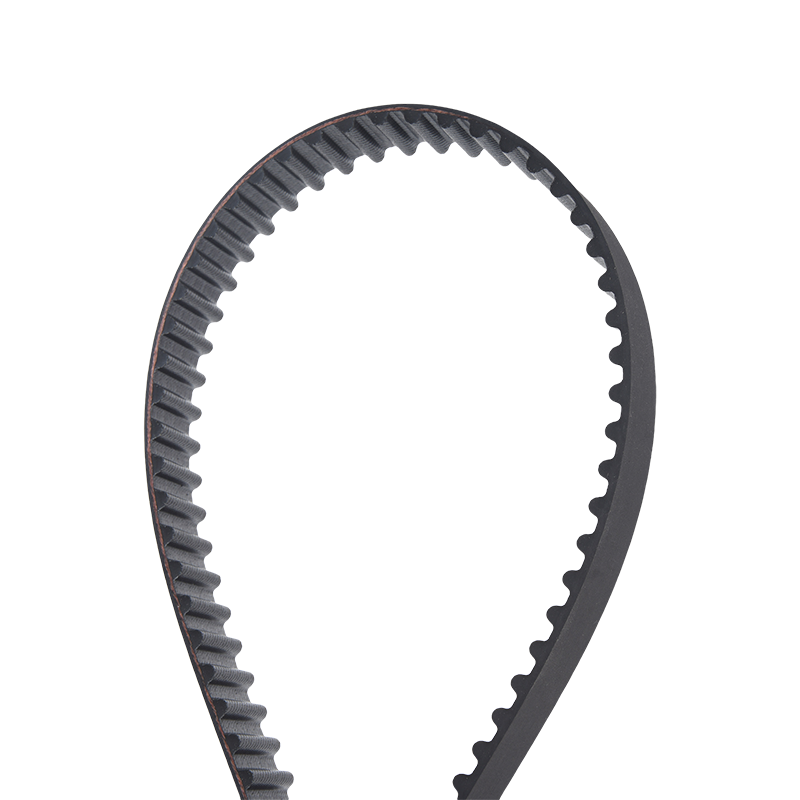 Wholesale Automotive timing belt Manufacturers,OEM Factory - Ningbo GUL TZ RubbeChina Wholesale Automotive timing belt Manufacturers, OEM Rubber Automotive timing belt Factory, Ningbo GUL TZ Rubber Belt Offer Wholesal...View Product →
Regardless of belt type or tooth profile, the water pump relationship does not change. The pump is driven by the belt, shares a similar service interval, and can fail in ways that damage the new belt. The recommendation to replace both together holds across engine platforms.
Final Verdict: Replace Both—Unless You Have a Very Good Reason Not To
The consensus across the automotive industry is clear. Replacing the water pump together with the timing belt is standard practice at reputable repair shops and is the recommendation of automakers and belt manufacturers alike. At GUL-TZ, a company that has manufactured automotive timing belts since 1992, we recommend treating the timing belt and water pump as a single maintenance unit.
Three facts drive this conclusion. First, the labor to reach the water pump is already built into the timing belt job. Second, a pump that fails after a belt-only service forces a second, nearly identical labor charge. Third, a seized pump can destroy the new belt and, on an interference engine, inflict damage that exceeds the value of the car.
The exceptions are legitimate but uncommon. If the pump has verifiable recent replacement, the vehicle has very low mileage, or the engine is non-interference, you have reasonable grounds to skip it. In every other case, you are making a financially risky decision to save a relatively small amount of money.
If you are facing this decision, ask your shop one direct question: is the water pump accessible during the timing belt service? If the answer is yes, and on most engines it is, approve the replacement. The extra parts cost is the cheapest engine insurance you will ever buy.
Hot Products
-
 View More
-
 View More
V-belt For Industry
-
 View More
T Type Industry Rubber Synchronous Belt
-
 View More
Toothed wedge belt
-
 View More
Thickened timing belt
-
 View More
Open Timing Belt
-
 View More
Automotive V-belt
-
 View More
Rubber Flat Belt
-
 View More
Ribbed Belt
-
 View More
Synchronous Pulley
-
 View More
Arc tooth industrial rubber synchronous belt
-
View More
Automotive timing belt

Do you have a question? Feel free to contact!
 Tel: +86-0574-62498188 62497298
 Fax: +86-0574-62497297
 E-mail:
  Add: No. 65, Middle Jinniu Road, Moushan Town, Yuyao City, Zhejiang Province, China
Copyright © Ningbo GUL TZ Rubber Belt Co., Ltd. All rights reserved.

OEM Rubber Driving belts Manufacturers
