
 En
En  English
 简体中文
简体中文
10 Signs of a Timing Belt Going Bad | Symptoms & What to Do
Timing belts fail without much warning, but the signs of a timing belt going bad are visible if you know where to look. On most engines, this rubber-reinforced belt synchronizes the crankshaft and camshaft, keeping valves opening and closing at precisely the right moment. When it slips, stretches, or breaks, the results range from rough running to catastrophic internal damage — especially on interference engines, where pistons and valves share the same space. This article lists the ten most common warnings, what each symptom means mechanically, and the sensible action to take, from scheduling an inspection to calling a tow truck.
What Does a Timing Belt Do — and Why Does It Fail?
Before we look at symptoms, it helps to understand the component itself. A timing belt is a toothed rubber belt that connects the crankshaft at the bottom of the engine to the camshaft, or camshafts, at the top. As the crankshaft rotates, the belt drives the camshaft in perfect sync, opening and closing the intake and exhaust valves in time with piston movement. If you want the full mechanical breakdown, read how an automotive timing belt works.
The belt operates in a demanding environment. It absorbs repeated shock loads, flexes over pulleys thousands of times per minute, and endures underhood temperatures that can exceed 200 degrees Fahrenheit. Over time, the rubber compound hardens, cracks, and loses tensile strength. Most manufacturers recommend replacement between 60,000 and 100,000 miles, or every 5 to 7 years, whichever comes first — but the exact interval varies by make, model, and engine design.
10 Warning Signs Your Timing Belt Is Going Bad
Here are ten signs that your timing belt is approaching failure, ordered roughly from "annoying early symptom" to "stop driving now."
1. Ticking or Clicking Noise from the Engine
A ticking or clicking sound from the front of the engine — especially at idle or on a cold start — is often the earliest audible warning. The noise gets faster as engine speed rises because the belt teeth are slapping against the pulleys instead of meshing cleanly. This usually means the belt has stretched or the teeth are worn. The same noise can also come from low oil pressure or worn hydraulic lifters, so pair this symptom with your service history before pointing the finger.
2. Engine Misfires or Runs Rough
If the belt skips a tooth, the camshaft falls out of sync with the crankshaft, and valves open at the wrong time. The result is a misfire, rough idle, hesitation on acceleration, or a noticeable drop in power. Spark plugs and ignition coils can cause similar symptoms, but if the belt is past its replacement interval, it deserves priority suspicion. For a wider view of the failure modes, this article on common faults of automotive timing belts in use is a useful follow-up.
3. Difficulty Starting the Engine
A stretched or glazed belt can slip on the crankshaft pulley, so the starter motor turns the crank while the camshaft lags behind. The engine may crank slowly, fire after several attempts, or refuse to start until it cools. Before assuming the belt is at fault, verify the battery and starter are healthy. If they test fine and the belt is old, you have a serious red flag.
4. Engine Won't Start at All
This is the hard line. When the belt snaps completely, the crankshaft and camshaft lose all connection. The starter spins the engine, but it never fires — a distinctive "cranking without ignition" sound. On interference engines, a broken belt can allow pistons to slam into open valves, bending them and potentially damaging the cylinder head. That repair runs into the thousands of dollars. If the belt is broken, do not keep cranking. Have the car towed.
5. Check Engine Light Comes On
The engine computer continuously compares signals from the crankshaft and camshaft position sensors. When they don't line up because the belt has slipped, it triggers the check engine light. A common diagnostic code is P0016, which points to a crankshaft-to-camshaft position correlation problem. The light alone doesn't prove the belt is failing; many other faults can illuminate it. But if you get a correlation code and the belt is near its service limit, you know where to look first.
6. Oil Leak Near the Timing Belt Cover
Engine oil pooling near the timing cover, or running down the front of the engine, often points to a worn front crankshaft seal or camshaft seal. Even a slow leak is a problem: oil-soaked rubber degrades faster, loses grip, and can slip off the pulley teeth. Inspect the leak and confirm it's engine oil, not coolant or power steering fluid. Then have the seals and belt addressed together, because the labor overlaps.
7. Visible Wear on the Belt Surface
If the timing belt cover can be partially removed, you can sometimes see the belt yourself. Look for cracks across the back, worn or missing teeth, frayed edges, exposed fibers, a shiny glazed surface, or oil contamination. A few hairline cracks can be monitored over the short term. Moderate cracking or edge wear means the belt should be replaced soon. Deep cracks, missing teeth, exposed cord, or oil-soaked rubber means the belt needs replacement immediately — before the next drive.
8. Loss of Power While Driving
A belt that has jumped one or two teeth shifts valve timing, and the engine loses efficiency. You'll feel it most on uphill grades or when passing; the engine seems flat, and fuel economy may drop. A clogged fuel filter, dirty air filter, or restricted exhaust can mimic this symptom, but a timing fault is mechanical and won't clear itself. If power loss combines with other items on this list, treat it as confirmation.
9. Exhaust Smoke After Starting
When valve timing is off, fuel can pass into the exhaust before it burns, producing white or black smoke, often on a cold start. This symptom rarely appears alone; it usually pairs with misfiring and rough running. Because unburned fuel can also overheat the catalytic converter, don't dismiss smoke as cosmetic. Have the car diagnosed promptly.
10. Vibrations or Rough Idling
Irregular combustion caused by incorrect valve timing translates into shaking or vibration at idle. The engine may vibrate through the steering wheel, seat, or floorboards. This symptom overlaps heavily with worn engine mounts, a failing ignition coil, or a vacuum leak, so use the full context — belt age, other symptoms, and diagnostic codes — before replacing anything.
How to Distinguish Timing Belt Problems from Similar Issues
There's a reason this guide keeps warning about misdiagnosis: the symptoms of a failing belt overlap heavily with other common faults. Use this comparison table to narrow things down.
| Symptom | More Likely Timing Belt If... | More Likely Another Fault If... |
|---|---|---|
| Ticking or clicking noise | Belt past its service interval; noise speeds up with RPM | Low oil pressure; worn lifters; valvetrain wear |
| Misfire or rough running | Belt old or overdue; multiple cylinders misfire together | Spark plugs; ignition coils; fuel injectors |
| Hard starting | Battery and starter test fine; belt is old | Weak battery; failing starter; fuel pump |
| Check Engine Light | Code points to crank-cam correlation (P0016) | Oxygen sensor; EVAP leak; catalytic converter |
Your service records are the single most valuable diagnostic tool. If the belt is still within its recommended replacement window, investigate other causes first. If it's overdue or close to the limit, treat the belt as the likely culprit until proven otherwise.
What to Do If You Suspect a Failing Timing Belt
Your next step depends on how severe the symptoms are.
- Stop driving and call for a tow if the engine won't start, or if you hear a sudden mechanical clatter accompanied by power loss while driving. Do not keep cranking or restarting the engine.
- Drive cautiously to the nearest shop if you have multiple symptoms, such as ticking combined with rough running, or power loss combined with hard starting. Stay off highways, keep engine load light, and accept that every extra mile is a gamble.
- Schedule an inspection within a few days if you have only one minor symptom, such as a faint ticking noise at idle or a check engine light with a correlation code. Avoid long trips until the car is checked.
When the car goes in, ask the technician to inspect the water pump, tensioner, and idler pulleys at the same time. These parts share the belt's lifespan, and replacing them together saves you from paying the same labor twice. Understand what's at stake by reading about the serious consequences of timing belt failure. And if you're facing a replacement decision, it's worth understanding why timing belts fail and how to choose the right one before you commit to a repair.
Prevention: The Best Way to Avoid Timing Belt Failure
Every symptom on this list can be avoided with one simple habit: replace the belt on schedule, not on symptoms. Timing belts age from the inside out, and a belt that looks fine on the surface can still be structurally compromised.
The financial math is decisive. A preventive belt service typically costs a few hundred dollars. Replacing a belt after it snaps on an interference engine can cost several thousand — sometimes more than the car is worth. That's why mechanics say the cheapest timing belt repair is the one you do on time.
Two resources will help you set your schedule. First, read about at what mileage a timing belt typically fails to understand the failure curve. Second, review the advice on when to replace your timing belt to prevent failure. Both will give you a realistic picture of where your vehicle stands.
If your belt is nearing its interval, also consider which replacement belt you'll use. The quality of the belt itself matters: material selection, tooth profile accuracy, and curing consistency all influence how many miles it can deliver. That's why many owners and shops choose high-quality automotive timing belts from manufacturers with dedicated research and decades of production experience. And if you want to extend the life of a fresh belt, practical guidance on how to reduce wear on your automotive timing belt is worth reading.
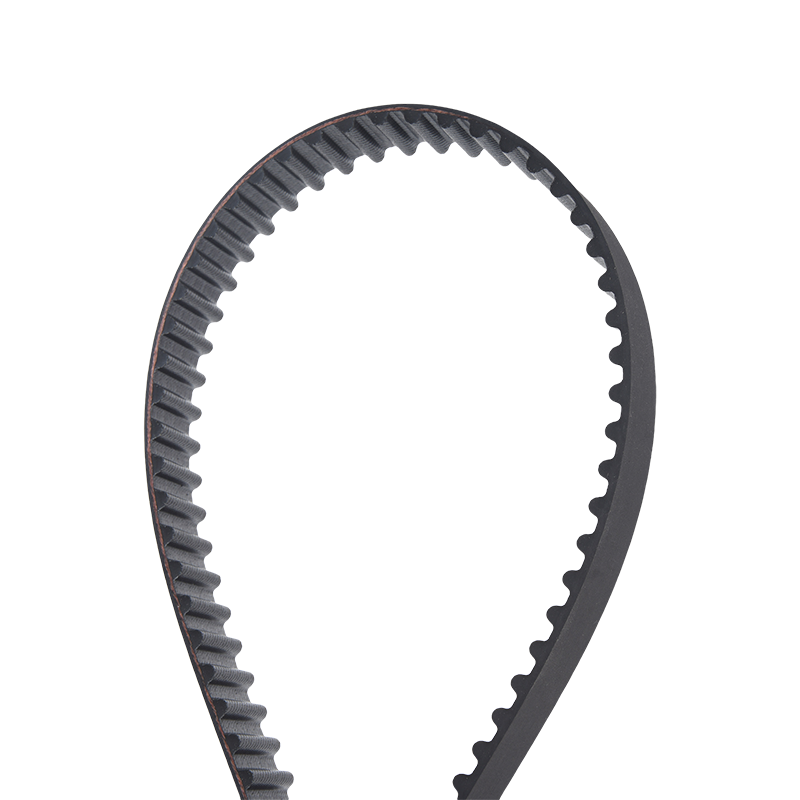 Wholesale Automotive timing belt Manufacturers,OEM Factory - Ningbo GUL TZ RubbeChina Wholesale Automotive timing belt Manufacturers, OEM Rubber Automotive timing belt Factory, Ningbo GUL TZ Rubber Belt Offer Wholesal...View Product →
Conclusion
If you remember only three things from this guide, make them these: a ticking or clicking noise from the engine, an unexplained misfire or rough idle, and difficulty starting are the three signals that most often precede a failed timing belt. Add an overdue replacement interval on top of any of those, and you have strong reason to act.
A timing belt gives little warning before it fails — and on interference engines, it can destroy the engine in seconds. The reliable strategy isn't heroic observation; it's preventive replacement. Follow your manufacturer's interval, include the water pump and tensioner in the same service, and use a belt you trust. It's the cheapest insurance your engine will ever have.
Hot Products
-
 View More
-
 View More
V-belt For Industry
-
 View More
T Type Industry Rubber Synchronous Belt
-
 View More
Toothed wedge belt
-
 View More
Thickened timing belt
-
 View More
Open Timing Belt
-
 View More
Automotive V-belt
-
 View More
Rubber Flat Belt
-
 View More
Ribbed Belt
-
 View More
Synchronous Pulley
-
 View More
Arc tooth industrial rubber synchronous belt
-
View More
Automotive timing belt

Do you have a question? Feel free to contact!
 Tel: +86-0574-62498188 62497298
 Fax: +86-0574-62497297
 E-mail:
  Add: No. 65, Middle Jinniu Road, Moushan Town, Yuyao City, Zhejiang Province, China
Copyright © Ningbo GUL TZ Rubber Belt Co., Ltd. All rights reserved.

OEM Rubber Driving belts Manufacturers
