
 En
En  English
 简体中文
简体中文
Can You Repair a Car Timing Belt by Yourself? In-Depth Analysis and Suggestions
The Role of Timing Belts
The timing belt in a car is one of the most critical components of the engine, responsible for coordinating the movement of the camshaft and crankshaft to ensure proper timing between the valves and pistons. If there is an issue with the timing belt, it could lead to engine failure or severe engine damage. Regular inspection and replacement of the timing belt are important tasks for vehicle maintenance.
Common Problems with Timing Belts
When a timing belt has issues, the most common signs include:
- Difficulty starting the engine
- Unusual engine noises
- Engine stalls
- Loss of power
- Check engine light on
These symptoms could indicate aging, wear, or a broken timing belt. When these issues arise, they should be addressed promptly.
Is It Possible to Repair a Timing Belt Yourself?
Technical Requirements
Repairing or replacing a timing belt is not something every car owner can do themselves. First, replacing the timing belt requires precise technical knowledge, as improper installation can cause severe engine damage. Specifically, the timing belt’s tension, alignment, and position must be adjusted according to the manufacturer’s specifications. Any deviation could lead to valve-piston collision, which could damage the engine. For owners without adequate experience or professional tools, attempting to repair the timing belt is extremely challenging.
Necessary Tools
Replacing a timing belt typically requires specialized tools such as timing belt alignment tools, torque wrenches, and tensioning tools. These tools are not usually found in a regular car owner’s toolbox, and improper usage can cause additional issues. Therefore, without the proper tools and experience, it’s strongly recommended to leave this job to a professional mechanic.
Components That Need to Be Disassembled
Replacing a timing belt usually involves removing several components, including the engine cover, drive belts, various pumps, and pulleys. These parts must be removed precisely, as incorrect disassembly could damage components and complicate the repair. Without professional guidance and experience, it’s easy to cause secondary damage.
Time and Effort Involved
For the average car owner, replacing the timing belt is not only a technical challenge but also a significant time and energy commitment. This process can take anywhere from a few hours to over ten hours, depending on the vehicle model and complexity of the issue. If the owner decides to replace the timing belt themselves, they will need to invest a lot of time and risk the possibility of unexpected problems. If mistakes are made, repair costs could increase, making DIY repairs not worth it.
Advantages of Professional Repair
Although DIY repairs to the timing belt may seem cost-effective, given the technical difficulty and potential risks, it is safer and more efficient to leave the task to a professional mechanic. Professional technicians not only ensure the accurate installation of the timing belt but can also identify and address other potential engine issues promptly, preventing further damage. Additionally, most professional repair shops offer warranty services, providing peace of mind in case of future problems.
Hot Products
-
 View More
-
 View More
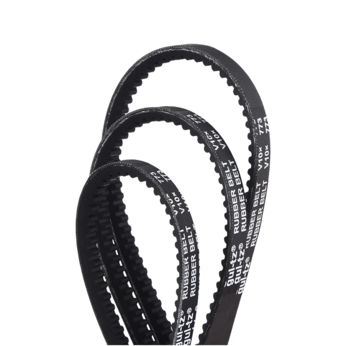
V-belt For Industry
-
 View More
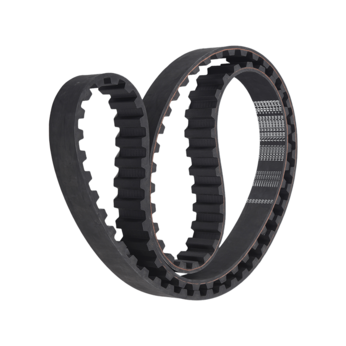
T Type Industry Rubber Synchronous Belt
-
 View More
Toothed wedge belt
-
 View More
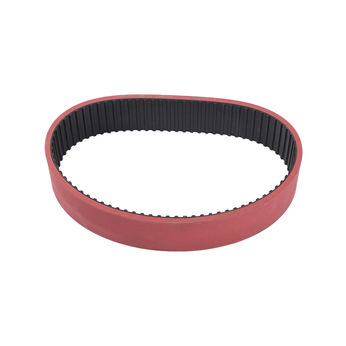
Thickened timing belt
-
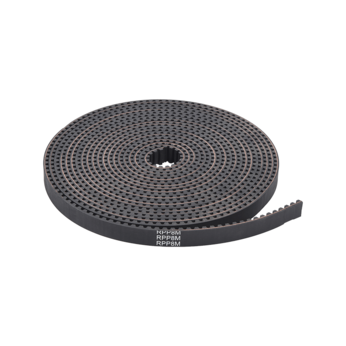 View More
Open Timing Belt
-
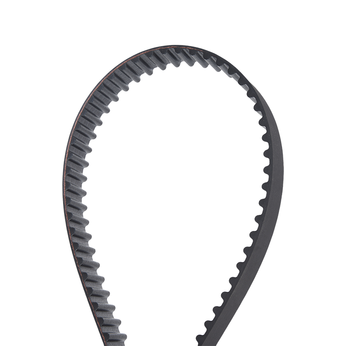 View More
Automotive V-belt
-
 View More
Rubber Flat Belt
-
 View More
Ribbed Belt
-
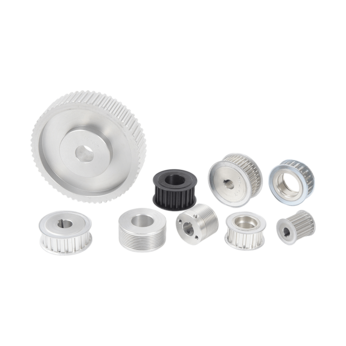 View More
Synchronous Pulley
-
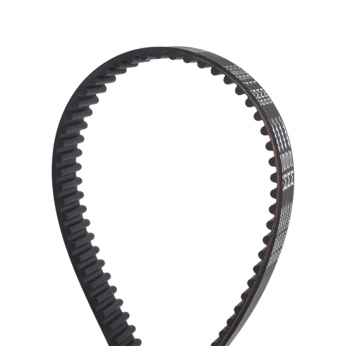 View More
Arc tooth industrial rubber synchronous belt
-
View More
Automotive timing belt

Do you have a question? Feel free to contact!
 Tel: +86-0574-62498188 62497298
 Fax: +86-0574-62497297
 E-mail:
  Add: No. 65, Middle Jinniu Road, Moushan Town, Yuyao City, Zhejiang Province, China
Copyright © Ningbo GUL TZ Rubber Belt Co., Ltd. All rights reserved.

OEM Rubber Driving belts Manufacturers
