
 En
En  English
 简体中文
简体中文
How to Diagnose if the Timing Belt is Installed Correctly? Expert Guidance and Common Issues
Importance of Correct Timing Belt Installation
The timing belt is one of the most crucial components of a car’s engine, responsible for synchronizing the movement of the camshaft and crankshaft to ensure proper operation between the valves and pistons. Incorrect installation of the timing belt can lead to severe engine damage or even complete engine failure. Ensuring the timing belt is installed correctly is essential not only for extending its lifespan but also for the smooth running of the engine.
Common Symptoms of Incorrect Timing Belt Installation
Incorrect installation of the timing belt can cause a series of engine issues, including:
- Difficulty starting the engine: If the timing belt is not aligned correctly, the engine may fail to start.
- Unusual engine noises: Misalignment of the timing belt can cause collisions between the valves and pistons, leading to abnormal noises.
- Loss of power: Incorrect installation of the timing belt may result in the engine being unable to deliver sufficient power, leading to noticeable power loss while driving.
- Engine vibration or shaking: If the timing belt is not tensioned correctly, the engine may run unevenly, causing vibrations or shaking.
- Check engine light: In some cases, incorrect installation of the timing belt may trigger the check engine light, indicating potential issues.
If any of these symptoms occur, it’s crucial to check if the timing belt is installed correctly.
How to Diagnose if the Timing Belt is Installed Correctly
1. Check Timing Marks Alignment
During the installation of the timing belt, various components of the engine, such as the camshaft and crankshaft, must align to the manufacturer’s specified positions. Timing marks serve as essential references to verify the correct installation. Most engines have distinct marks indicating the correct positions of the crankshaft and camshaft. Checking whether these marks align properly is the first step.
- Crankshaft marks: Typically located on the front or side of the engine, the marks should align with specific reference lines.
- Camshaft marks: In addition to aligning with the crankshaft marks, the camshaft marks must align with their corresponding gears or slots.
If the marks do not align, it indicates an issue with the timing belt installation.
2. Confirm Timing Belt Tension
The tension of the timing belt is crucial. A belt that is either too loose or too tight can affect the engine’s performance. Proper tension ensures the timing belt runs at a consistent speed and direction during operation. Insufficient tension may cause slippage, while excessive tension could lead to premature wear of the belt or other components.
Use specialized tools such as a tension gauge to check if the belt tension falls within the recommended range. Most vehicle service manuals provide the standard tension specifications for the timing belt.
3. Inspect Belt Wear
Even if the timing belt is correctly installed, prolonged use can lead to wear and tear. Check the belt’s appearance, particularly the gear-contact surface, for visible signs of wear or cracks. Significant wear could lead to improper engagement between the belt and gears, affecting the engine’s performance.
4. Listen for Engine Noises
Abnormal engine sounds can reveal issues with the timing belt installation. If installed correctly, the engine should run smoothly and quietly. Incorrect installation, however, can result in knocking sounds or other unusual noises due to improper engagement between the belt and gears.
5. Perform a Power Response Test
After starting the engine and warming it up, perform a simple power response test by accelerating. If there is a noticeable delay or insufficient power, it could indicate that the timing belt is not installed correctly, causing incorrect valve-piston synchronization and affecting engine performance.
6. Check Engine Fault Codes
Many modern cars are equipped with an OBD-II (On-Board Diagnostics) system that can read engine fault codes. If the timing belt is incorrectly installed, the engine may trigger various fault codes, particularly those related to ignition timing, valve control, or the transmission system. Reading these codes can quickly help identify if the timing belt is the cause of the problem.
Professional Inspection and Maintenance Advice
If car owners are unable to confirm whether the timing belt is correctly installed, it’s recommended to take the vehicle to a professional repair shop for inspection. A qualified mechanic can use various diagnostic tools to ensure that the timing belt is installed according to specifications. Additionally, regular inspection and maintenance of the timing belt can reduce the likelihood of issues, extend its lifespan, and ensure the reliable operation of the car over the long term.
Hot Products
-
 View More
-
 View More
V-belt For Industry
-
 View More
T Type Industry Rubber Synchronous Belt
-
 View More
Toothed wedge belt
-
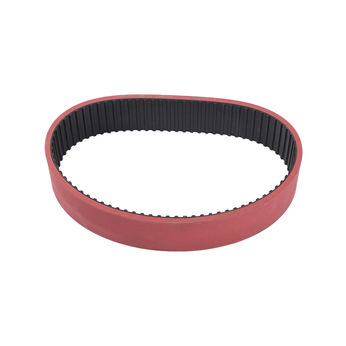 View More
Thickened timing belt
-
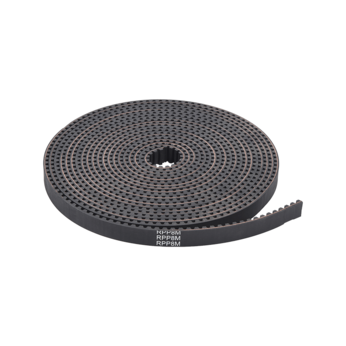 View More
Open Timing Belt
-
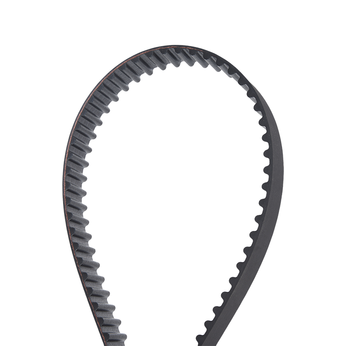 View More
Automotive V-belt
-
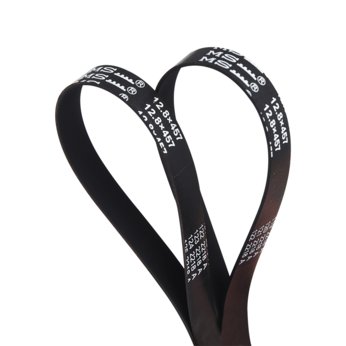 View More
Rubber Flat Belt
-
 View More
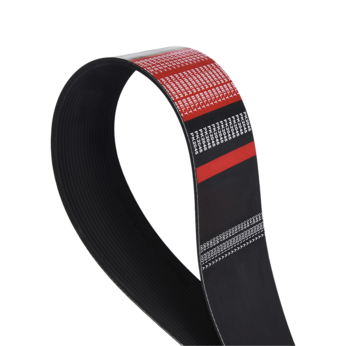
Ribbed Belt
-
 View More
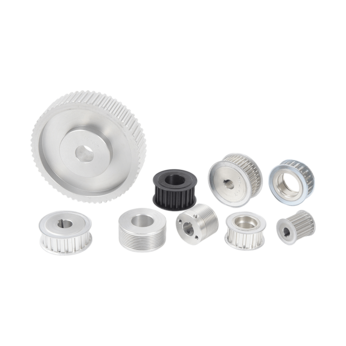
Synchronous Pulley
-
 View More
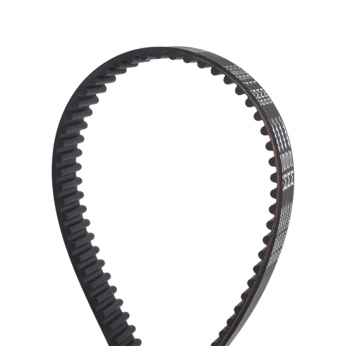
Arc tooth industrial rubber synchronous belt
-
View More
Automotive timing belt

Do you have a question? Feel free to contact!
 Tel: +86-0574-62498188 62497298
 Fax: +86-0574-62497297
 E-mail:
  Add: No. 65, Middle Jinniu Road, Moushan Town, Yuyao City, Zhejiang Province, China
Copyright © Ningbo GUL TZ Rubber Belt Co., Ltd. All rights reserved.

OEM Rubber Driving belts Manufacturers
