
 En
En  English
 简体中文
简体中文
What Are the Key Advantages of Rubber Driving Belt vs Chain Drive in Durability and Performance
The Basic Structure and Operating Principle of Rubber Driving Belt
A Rubber Driving Belt is a transmission device primarily made of rubber material that transfers power through friction between the belt and pulleys. This transmission method employs continuous rubber material with internal fiber reinforcement layers and steel wire cores, capable of withstanding various stresses during operation. When a Rubber Driving Belt operates, it transfers power through the contact area between the belt and pulley, featuring smooth and efficient transmission characteristics.
Structural Features of Chain Drive
Chain drive consists of a series of metal chain links that transmit power through the meshing of sprocket teeth with the chain. Chain drive features a fixed transmission ratio, with each chain link being an independent metal component. Chain drive is widely used in industrial machinery, motorcycles, bicycles, and other fields, representing a classical mechanical transmission method.
Transmission Efficiency Advantages of Rubber Driving Belt
The transmission efficiency of Rubber Driving Belt typically ranges between 95%-98%, showing clear advantages over chain drive efficiency of 90%-95%. This is because Rubber Driving Belt employs continuous rubber material without the chain link jumping phenomenon occurring during transmission. The continuity of rubber material ensures smooth and stable power transmission, reducing energy loss. Particularly in high-speed operation scenarios, the efficiency advantage of Rubber Driving Belt becomes even more pronounced.
Comparative Analysis of Noise Levels
Rubber Driving Belt produces significantly lower noise during operation compared to chain drive. Chain drive produces noticeable "clicking" sounds due to the meshing between chain links and sprocket teeth, with this noise being especially apparent during high-speed operation. Since Rubber Driving Belt employs continuous rubber material with smooth transmission, noise levels can be reduced by 10-15 decibels. In work environments with strict noise requirements, Rubber Driving Belt clearly offers superior advantages.
Comparative Analysis of Maintenance Difficulty
Maintenance of Rubber Driving Belt is relatively simple, primarily requiring periodic checks of tension and belt surface cleaning. Chain drive requires frequent lubrication oil additions and cleaning of oil stains and dust accumulated on the chain, making these tasks relatively tedious. Rubber Driving Belt does not require frequent lubrication; only surface cleanliness and appropriate tension maintenance are necessary. This gives Rubber Driving Belt advantages in both maintenance costs and time investment.
Comprehensive Cost Analysis
From initial purchase cost perspective, Rubber Driving Belt is typically more economical than chain drive. However, chain drive components feature high standardization with relatively low replacement costs. Rubber Driving Belt specifications are numerous with significant differences among different equipment requirements, potentially necessitating special ordering during replacement. Considering initial investment, maintenance costs, and service life comprehensively, the total costs of both are comparable, though user experience and work efficiency differences are significant.
Fixed and Adjustable Characteristics of Transmission Ratio
Chain drive transmission ratio is fixed, determined by sprocket tooth count and cannot be adjusted during operation. Rubber Driving Belt can adjust the transmission ratio within certain ranges by changing pulley diameters, providing greater flexibility in mechanical equipment design. Many equipment with special transmission ratio requirements adopt Rubber Driving Belt to meet these needs.
Service Life and Durability Evaluation
The service life of Rubber Driving Belt generally ranges from 2 to 5 years, closely related to operating environment and usage intensity. Under normal maintenance, chain drive service life can reach 3-8 years. From this perspective, chain drive durability appears superior. However, the reality is that while Rubber Driving Belt has relatively shorter lifespan, its replacement cost and difficulty are comparatively lower, making overall operational costs not necessarily higher than chain drive.
Differences in Environmental Adaptability
Rubber Driving Belt is relatively sensitive to temperature changes; under extreme high or low temperature environments, rubber material may harden or soften, affecting transmission performance. Chain drive demonstrates stronger temperature adaptability, maintaining relatively stable performance in high-temperature, low-temperature, or extreme environments. For equipment requiring operation in harsh environments, chain drive may be the better choice.
Performance in Humid Environments
In humid or dusty environments, Rubber Driving Belt easily accumulates moisture and dust, potentially causing slipping phenomenon. Although chain drive also accumulates dust easily, due to its meshing characteristics, it will not slip due to surface contamination. Rubber Driving Belt requires more meticulous maintenance in humid environments, with regular surface cleaning being essential.
Transmission Smoothness and Comfort
Rubber Driving Belt transmission is extremely smooth without the impact sensation of chain drive. For scenarios requiring high driving experience standards, such as automobile engine belt drive systems, Rubber Driving Belt provides superior smoothness. Passengers enjoy more comfortable driving experience while reducing impact on other components.
Applicability in Different Application Scenarios
Rubber Driving Belt is widely used in automobile engines, air conditioning compressors, fans, generators, and other auxiliary systems. Chain drive is primarily used in industrial machinery, motorcycles, bicycles, agricultural machinery, and similar fields. Different application scenarios have varying requirements for transmission methods, necessitating selection of appropriate transmission based on specific working conditions.
Power Transmission Capacity
Modern Rubber Driving Belt designs can support high power transmission, with increased belt width or multiple belt usage enabling high-power transmission. Chain drive also performs well in high-power applications, but chain width and strength have certain physical limitations. For ultra-high-power transmission requirements, chain drive may require multiple chains working in parallel.
Technological Innovation and Development Trends
Rubber Driving Belt technology continues evolving, with new materials improving performance. Synchronous belts, fan belts, and drive belts of various types show improving technical specifications. While chain drive technology is relatively mature, innovation space is limited. From development trends, Rubber Driving Belt has broader application prospects across various fields.
Prevention and Control of Slipping Risk
Rubber Driving Belt tends to slip under overload or insufficient tension conditions, representing its main risk factor. Chain drive will not exhibit slipping due to its meshing characteristics. However, modern Rubber Driving Belt designs have significantly reduced slipping issues through optimized design and automatic tension adjustment systems.
Hot Products
-
 View More
-
 View More
V-belt For Industry
-
 View More
T Type Industry Rubber Synchronous Belt
-
 View More
Toothed wedge belt
-
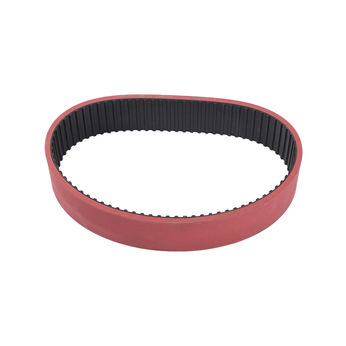 View More
Thickened timing belt
-
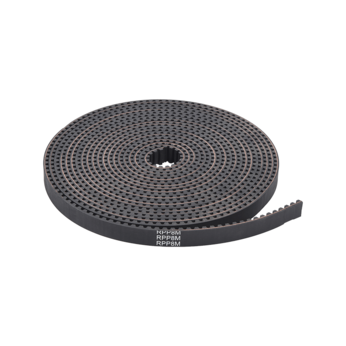 View More
Open Timing Belt
-
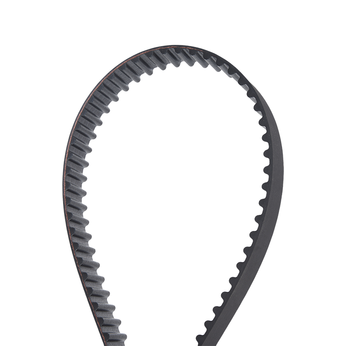 View More
Automotive V-belt
-
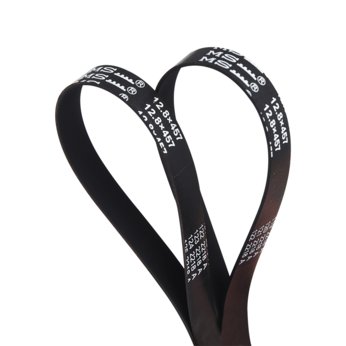 View More
Rubber Flat Belt
-
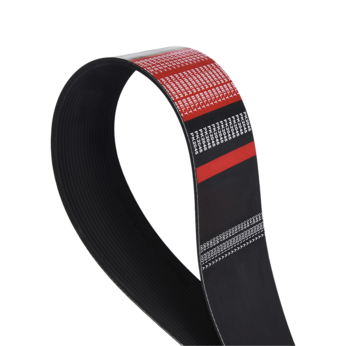 View More
Ribbed Belt
-
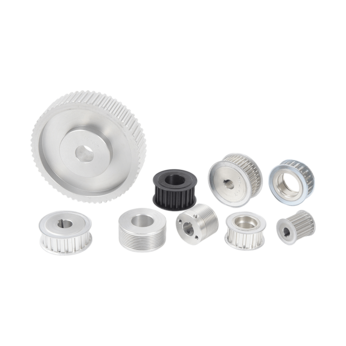 View More
Synchronous Pulley
-
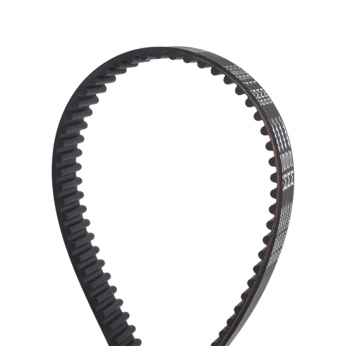 View More
Arc tooth industrial rubber synchronous belt
-
View More
Automotive timing belt

Do you have a question? Feel free to contact!
 Tel: +86-0574-62498188 62497298
 Fax: +86-0574-62497297
 E-mail:
  Add: No. 65, Middle Jinniu Road, Moushan Town, Yuyao City, Zhejiang Province, China
Copyright © Ningbo GUL TZ Rubber Belt Co., Ltd. All rights reserved.

OEM Rubber Driving belts Manufacturers
