
 En
En  English
 简体中文
简体中文
Timing Belt Replacement Mileage: At What Mileage Should Timing Belts Be Replaced?
A timing belt replacement decision rarely starts in the workshop. It starts with a driver asking, at what mileage should timing belts be replaced? The practical answer for most petrol and diesel engines is between 60,000 and 100,000 miles, with 90,000 miles a common manufacturer recommendation and some models extending to 105,000 miles. The second half of the answer is just as important: most vehicle makers also set a time limit of six to ten years. Whichever limit arrives first decides the replacement point. Skipping the interval turns a planned maintenance job into a large repair risk.
The Short Answer: Mileage and Time Both Matter
A timing belt is not a simple rubber loop. It consists of a toothed rubber body, a fabric facing and high-tensile cords that stop the belt from stretching. Those materials are exposed to engine heat, oil vapour and continuous flexing. Over time the rubber hardens and the cords lose strength. A belt that has covered only 40,000 miles but has been fitted for ten years can be more dangerous than one with 80,000 miles and five years. This is why maintenance schedules say "at mileage X or time Y, whichever comes first."
Mileage trigger
Most published timing belt intervals fall between 60,000 and 105,000 miles depending on engine design and manufacturer policy.
Time trigger
A six to ten year limit applies even when the vehicle covers very few miles, because rubber ageing continues while the car is parked.
Typical Replacement Intervals by Vehicle Category
Intervals vary by engine family, but the ranges below reflect what most maintenance schedules publish for common passenger vehicles.
| Vehicle category | Mileage limit | Time limit |
|---|---|---|
| Light and small cars | 60,000 - 80,000 miles | 6 - 7 years |
| Mid-size sedans and SUVs | 90,000 - 105,000 miles | 7 - 10 years |
| Older engine designs | 60,000 miles | 6 years |
| Modern large-displacement engines | 100,000 - 105,000 miles | 7 - 10 years |
| Severe service use | Reduce interval by 10 - 20 percent | Shorten by 1 - 2 years |
The owner's manual remains the final reference for a specific powertrain. If the vehicle history is unclear, use the earlier of the two limits and arrange an inspection before the scheduled point.
Why Mileage Alone Is Not Enough
Mileage is a useful measure, but it only tells you how much the belt has worked. Age, environment and installation quality determine how much life is left.
Heat and chemical ageing
Under-hood temperatures accelerate the breakdown of the rubber compound. Oil leaks, coolant residue and long exposure to ozone make the belt stiff and more prone to cracking. This process continues even when the vehicle is parked.
Operating conditions
Stop-and-go traffic, dusty roads and repeated cold starts increase belt flex and surface wear. A vehicle used mainly for short trips can age its belt faster than a highway vehicle with the same odometer reading.
Installation quality
A belt that is overtensioned, misaligned or fitted with a worn pulley can fail well before the recommended mileage. Correct tension and proper pulley alignment are as important as the replacement interval itself.
The curve shows how failure probability climbs sharply once the belt passes the recommended mileage window.
Signs That a Timing Belt Is Nearing the End of Its Service Life
The belt will rarely announce its failure with a warning light. Visual inspection and listening habits are the early detection tools.
Cracks on the back surface
Small crazing or splits on the smooth side indicate rubber hardening and loss of resilience.
Shiny or glazed surface
A polished look means the belt has been slipping against a pulley or idler, which generates heat and wear.
Ticking or chirping noise
Audible noise from the front of the engine can point to tooth damage, fabric wear or a failing timing belt tensioner.
Rough idle or misfire
If the belt has skipped a tooth, valve timing shifts and the engine may run unevenly or hesitate under load.
These signs call for a professional check. A belt can look acceptable on the outside while the internal tensile cords are already damaged.
What Actually Happens When a Timing Belt Fails
In an interference engine, the pistons and the valves occupy the same space at different moments. When the belt fails, the camshaft stops spinning while the crankshaft keeps moving, and the pistons can strike the valves. The result is bent valves, damaged pistons and sometimes a cracked cylinder head. Repair costs run far higher than the price of a scheduled belt replacement. Non-interference engines are less destructive, but the vehicle will still stop and often leave you stranded. The lesson from real failures is simple: a replacement interval exists to protect the engine, not just the belt.
Parts That Should Be Replaced Together with the Timing Belt
A timing belt kit usually includes more than the belt itself. The belt works as a system with the tensioner, idler pulleys and the pulleys that drive the camshafts and auxiliary components.
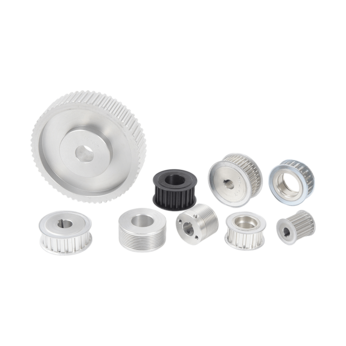
The tensioner keeps the belt at the correct tension. A worn tensioner can let the belt flutter, skip teeth or produce noise long before the belt reaches its mileage limit. Synchronous pulleys should also be checked for tooth wear and loose fit on the shaft, because a worn pulley damages a new belt quickly.
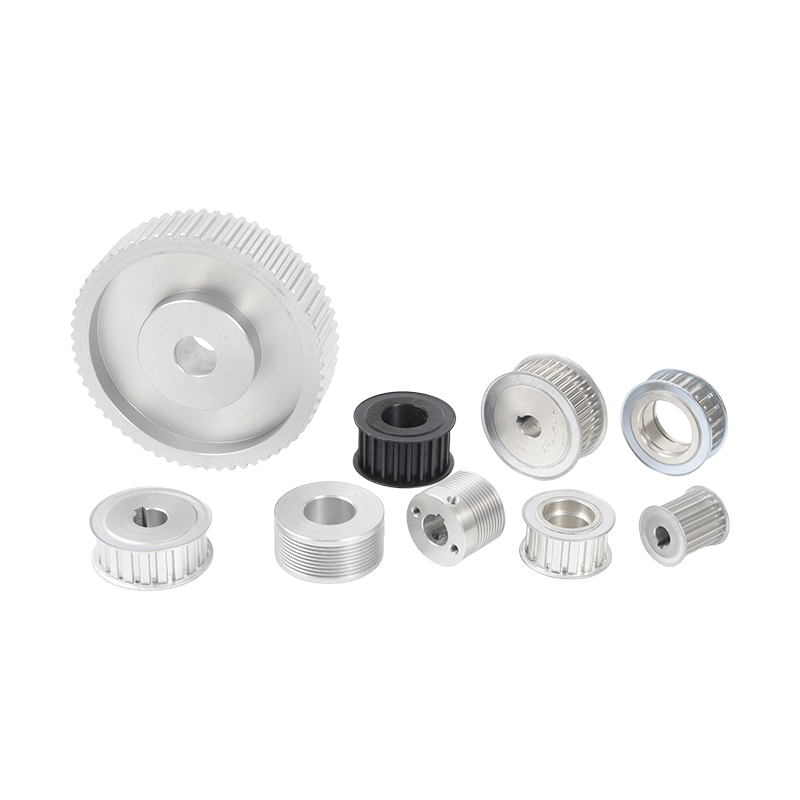 Timing Belt Synchronous Pulley for Multi-Axis DrivesThis pulley pairs with synchronous timing belts and suits multi-axis layouts. Check tooth wear and shaft fit here, since a worn pulley can quickly damage a fresh belt.View Product →
Many engines also drive the water pump from the timing belt. Replacing the water pump in the same service saves a second labour charge and reduces the chance of a coolant leak into the belt area.
Accessory belts, such as the ribbed belt, are a separate but related component. If the front of the engine is already opened for the timing belt service, inspecting the ribbed belt avoids a second breakdown a few months later.
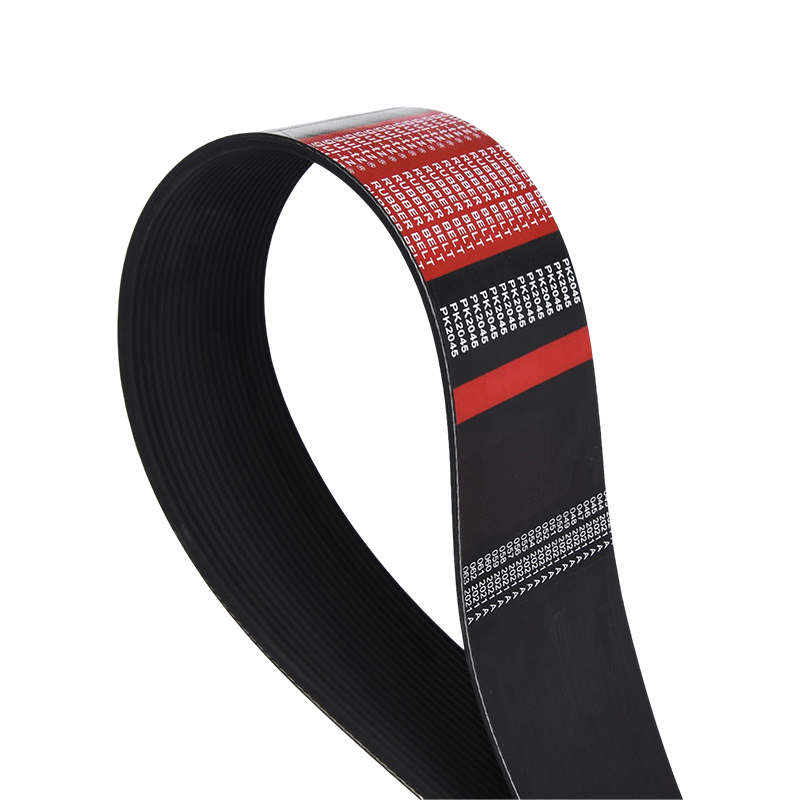 Automotive and Industrial V-Ribbed Accessory BeltThis ribbed belt suits compact multi-axis drives and small pulleys. Inspect it during timing belt service to avoid a separate breakdown, as it offers heat and oil resistance.View Product →
How to Choose a Quality Replacement Timing Belt
The replacement interval matters, but so does the belt itself. A timing belt must match the original tooth profile, tooth pitch, width and length. Minor differences in tooth geometry cause noise, tracking problems and early failure. A quality belt is made from a heat-resistant rubber compound with reinforcement that resists stretch and handles the mechanical load of the engine.
A manufacturer with a long production history provides more confidence. Companies that take part in national and industry standards tend to control dimensional tolerances more strictly. This factory perspective explains why a belt built on modern vulcanization lines and tested for tensile strength, tooth shear and temperature resistance behaves differently from a low-cost belt with the same appearance. For a component that guards the engine, the interval is only as reliable as the part fitted.
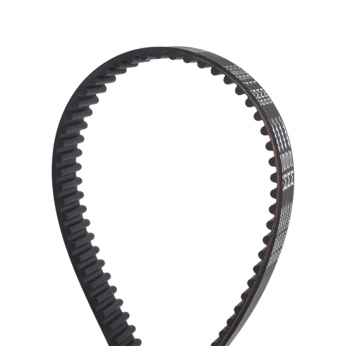
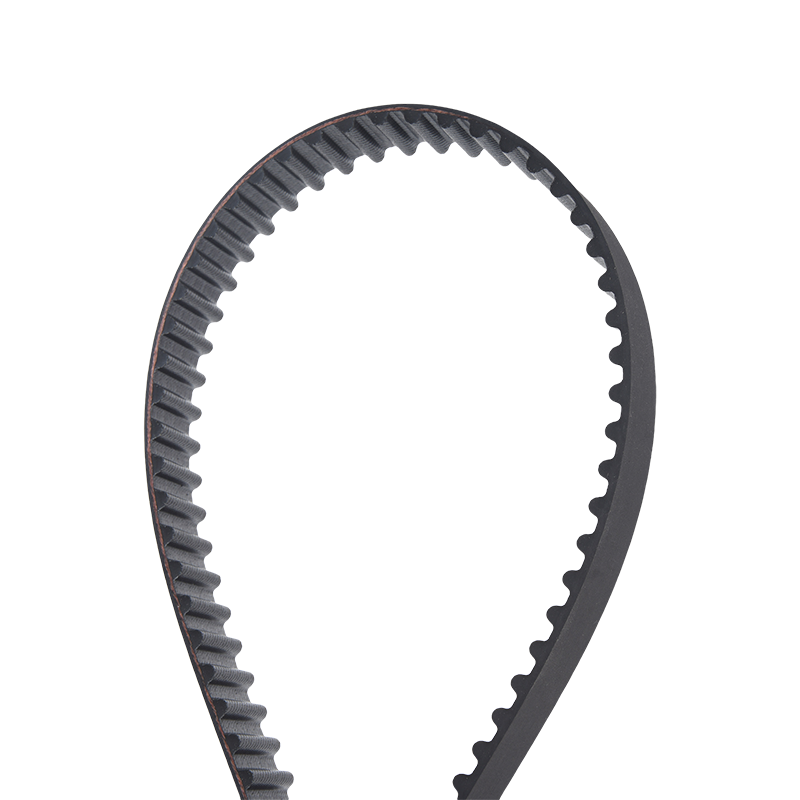 High-Temperature-Resistant Automotive Timing BeltThis timing belt is made for engine cam drives, with durability in hot environments and quieter operation than chains or gears. A reliable replacement guards the engine.View Product →
If you are not familiar with the engineering behind the component, start with a clear explanation of how an automotive timing belt works before you choose a replacement part.
Inspection Checklist: How to Spot a Timing Belt Problem Early
Use this checklist during a routine service or before a long trip.
- Check the smooth side for cracks, cuts and hardened sections.
- Look at the tooth side for missing or chipped teeth after removing the timing cover.
- Confirm that the belt has not become polished or shiny.
- Feel the belt for flexibility; a stiff belt has lost its elastic properties.
- Check for oil or coolant leaks that could contaminate the belt surface.
- Listen for ticking, squeaking or a rough idle from the front of the engine.
A visual check can only reveal surface conditions. Internal cord damage is not always visible, which is why the mileage and age intervals must still be respected even when the belt looks clean.
Frequently Asked Questions About Timing Belt Replacement Mileage
Can I push the timing belt beyond the recommended mileage?
You can, but the risk increases quickly after the recommended window. Rubber ageing and cord fatigue do not pause at an odometer reading. A belt that fails on the motorway can cause far more damage than a timely maintenance bill.
Should I replace the timing belt by mileage or by age?
By whichever comes first. Mileage indicates workload, while age reflects material deterioration. A vehicle that is driven rarely still needs the belt changed after the time limit, because heat, ozone and humidity degrade the rubber even during long periods of parking.
What if my engine has a timing chain instead of a timing belt?
Timing chains are a different system and usually have a longer service life. They do not follow the 60,000 to 105,000 mile replacement schedule. However, chains, guides and tensioners can still wear out, so the manufacturer's inspection guidance should be followed.
Does a cracked timing belt always mean immediate replacement?
Yes. Cracks mean the rubber compound has exhausted its elastic life. Continuing to drive is a gamble, especially in interference engines where a break can damage valves and pistons. The vehicle should be parked and the replacement arranged before the next drive.
Can a timing belt be visually inspected to determine remaining life?
A visual check can detect surface damage, but it cannot measure the condition of the internal tensile cords. That is why both the mileage limit and the age limit should be respected even when the belt looks healthy.
Set the reminder before the schedule does. Look up the exact interval for your engine, note the in-service date or last replacement date, and use the earlier of the two limits. A timing belt is a small part that decides whether your engine stays reliable. When replacement time arrives, fit a belt that meets the original specification and replace the related components in the same service. If you have questions about belt construction or replacement parts, contact our engineering team for practical guidance.
Hot Products
-
 View More
-
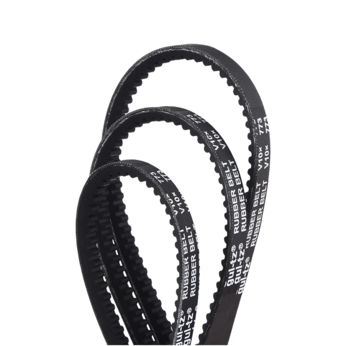 View More
V-belt For Industry
-
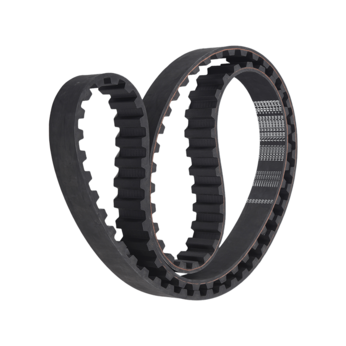 View More
T Type Industry Rubber Synchronous Belt
-
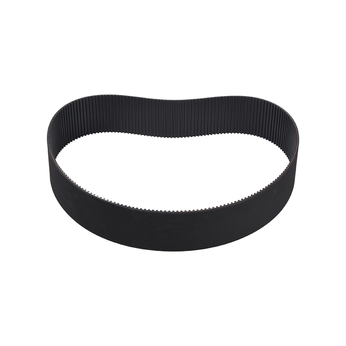 View More
Toothed wedge belt
-
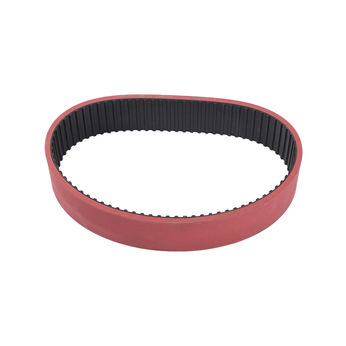 View More
Thickened timing belt
-
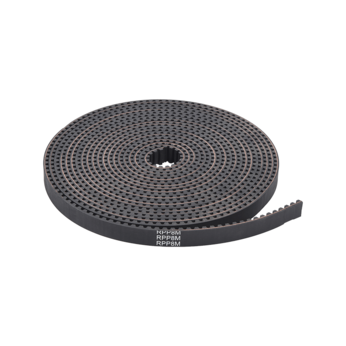 View More
Open Timing Belt
-
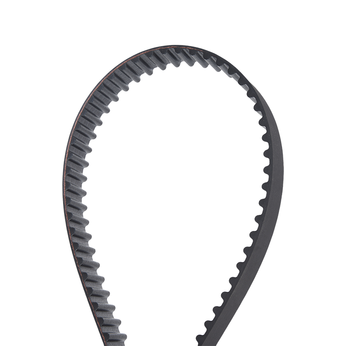 View More
Automotive V-belt
-
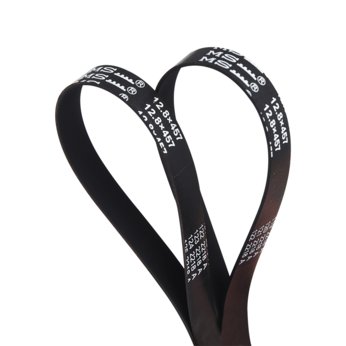 View More
Rubber Flat Belt
-
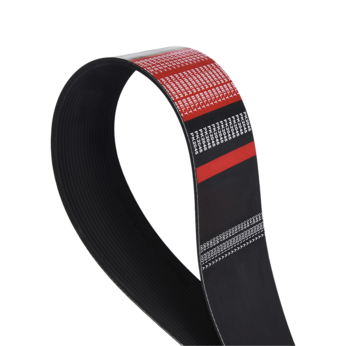 View More
Ribbed Belt
-
 View More
Synchronous Pulley
-
 View More
Arc tooth industrial rubber synchronous belt
-
View More
Automotive timing belt

Do you have a question? Feel free to contact!
 Tel: +86-0574-62498188 62497298
 Fax: +86-0574-62497297
 E-mail:
  Add: No. 65, Middle Jinniu Road, Moushan Town, Yuyao City, Zhejiang Province, China
Copyright © Ningbo GUL TZ Rubber Belt Co., Ltd. All rights reserved.

OEM Rubber Driving belts Manufacturers
