
 En
En  English
 简体中文
简体中文
How to Optimize Industrial Synchronous Timing Belts for Maximum Machine Efficiency
How to Optimize Industrial Synchronous Timing Belts for Maximum Machine Efficiency?
In modern industrial manufacturing and automation systems, industrial synchronous timing belts have become the core transmission components ensuring efficient and stable equipment operation. With the popularity of automated production lines, industrial robots, and precision conveying systems, higher requirements are placed on the synchronization accuracy, torque load capacity, and service life of transmission systems.
Core Technical Advantages
Unlike traditional friction drives, industrial synchronous timing belts utilize tooth-meshing transmission, which eliminates slippage and creeping. This ensures a constant transmission ratio and reduces bearing loads. During industrial timing belt manufacturing, high-strength materials like polyurethane or neoprene, reinforced with glass fiber or steel wire, are utilized to ensure minimal elongation under high tensile loads.
Key Parameters and Selection Comparison
| Tooth Series | Pitch (mm) | Features | Application |
| T Series | 2.5 - 20 | Trapezoidal tooth | Automation conveying |
| AT Series | 5 - 20 | Reinforced trapezoidal | High-load positioning |
| HTD Series | 3 - 20 | Arc tooth | Heavy-load drives |
Optimizing Performance: Technical Selection and Troubleshooting
Maximizing the service life of an industrial timing belt requires a deep understanding of load distribution. Engineers must evaluate systems beyond basic pitch specifications.
Common Failure Modes and Mitigation
- Tooth Shearing: Often caused by shock loading. Increase tension or upgrade material.
- Edge Cord Wear: Indicates pulley misalignment. Correct axial parallelism.
- Excessive Noise: Typically a sign of improper meshing or excessive tension.
Material Selection Matrix
| Material | Key Strength | Primary Use |
| Polyurethane | Abrasion Resistance | Clean Room |
| Neoprene | Flex Fatigue Life | Heavy Duty |
Precision Engineering Commitment
Our industrial timing belt manufacturers facilities employ proprietary processes to ensure strict tolerance standards. By controlling tension member elongation, we ensure structural integrity under high-dynamic loads.
Hot Products
-
 View More
-
 View More
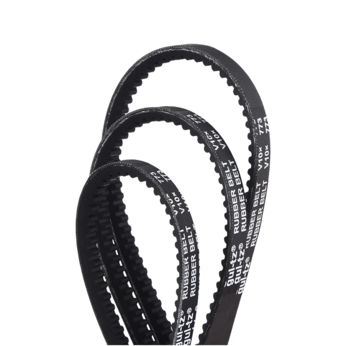
V-belt For Industry
-
 View More
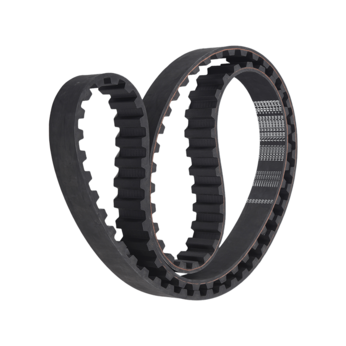
T Type Industry Rubber Synchronous Belt
-
 View More
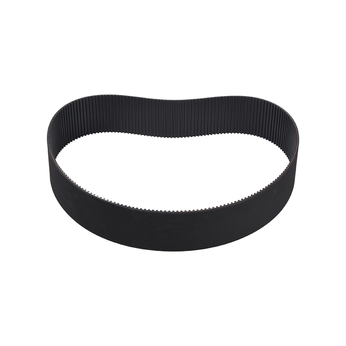
Toothed wedge belt
-
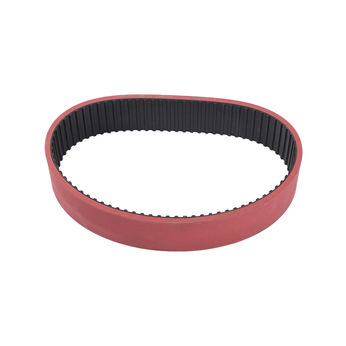 View More
Thickened timing belt
-
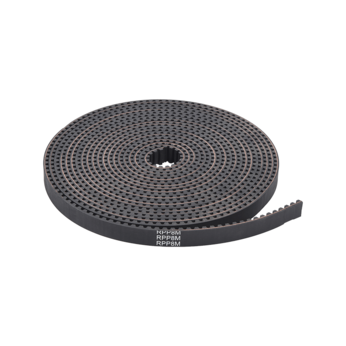 View More
Open Timing Belt
-
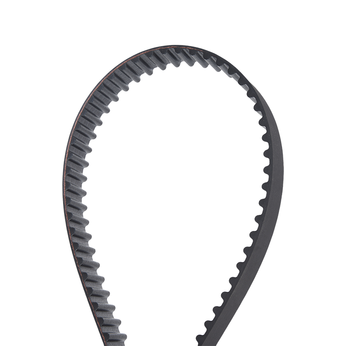 View More
Automotive V-belt
-
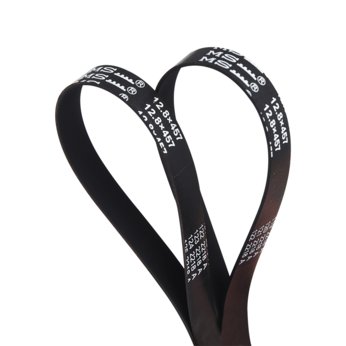 View More
Rubber Flat Belt
-
 View More
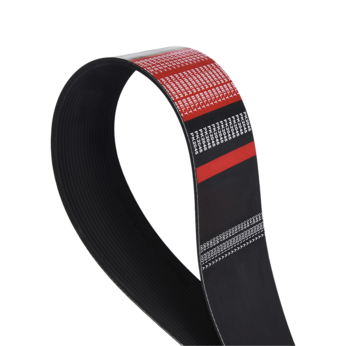
Ribbed Belt
-
 View More
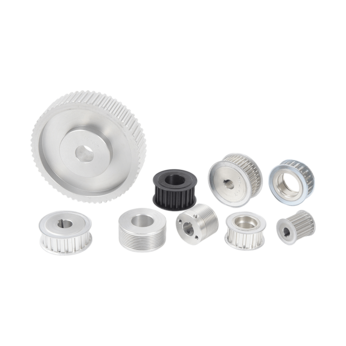
Synchronous Pulley
-
 View More
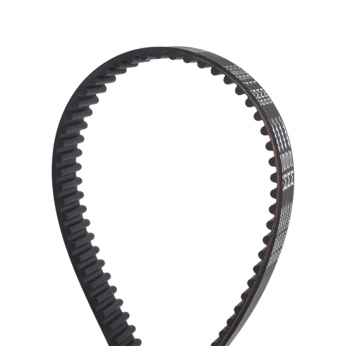
Arc tooth industrial rubber synchronous belt
-
View More
Automotive timing belt

Do you have a question? Feel free to contact!
 Tel: +86-0574-62498188 62497298
 Fax: +86-0574-62497297
 E-mail:
  Add: No. 65, Middle Jinniu Road, Moushan Town, Yuyao City, Zhejiang Province, China
Copyright © Ningbo GUL TZ Rubber Belt Co., Ltd. All rights reserved.

OEM Rubber Driving belts Manufacturers
