
 En
En  English
 简体中文
简体中文
How Much Does Auto Timing Belt Replacement Cost and When Is It Necessary?
An auto timing belt keeps the crankshaft and camshaft operating in precise synchronization. This controlled relationship allows the engine valves to open and close at the correct moment during every combustion cycle. When the belt becomes worn, loose, contaminated, or damaged, engine timing can become unstable and serious internal engine damage may occur.
Drivers often search for auto timing belt replacement information after noticing unusual engine noise, reaching a recommended mileage interval, or receiving advice during routine maintenance. Understanding replacement cost, service life, warning signs, belt construction, and engine design can help vehicle owners make a more informed maintenance decision.
What Is an Auto Timing Belt?
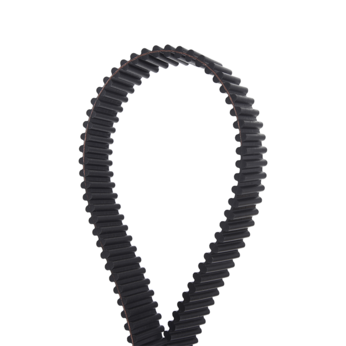
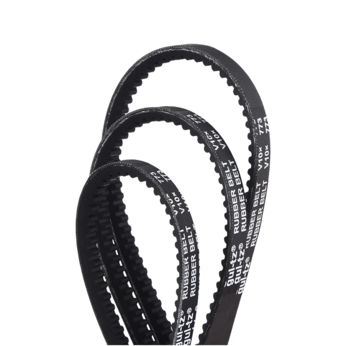
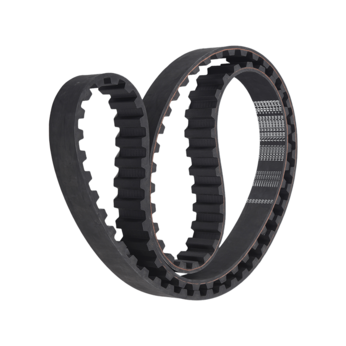
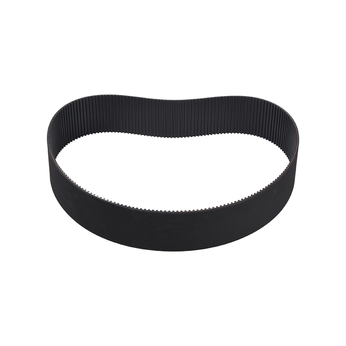
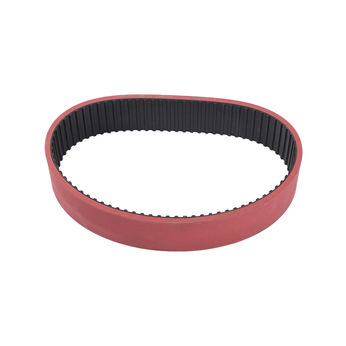
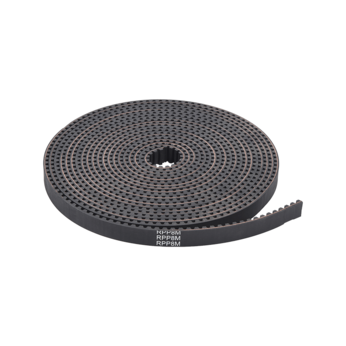
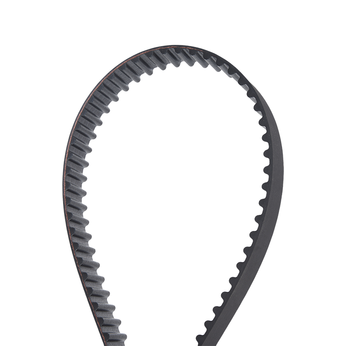
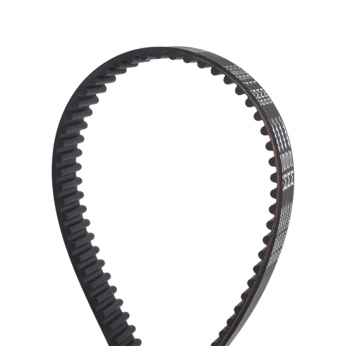
An auto timing belt is a toothed synchronous belt installed inside or near the front section of an internal combustion engine. Its molded teeth engage with matching crankshaft and camshaft sprockets, preventing the belt from sliding under normal operating conditions.
Unlike a conventional accessory belt, the timing belt controls the mechanical relationship between moving internal engine components. It may also drive a water pump, balance shaft, fuel injection pump, or other synchronized component, depending on the engine configuration.
How Is an Automotive Timing Belt Constructed?
A timing belt must withstand repeated bending, tooth engagement, engine vibration, temperature changes, and long operating periods. Its construction normally combines several specialized material layers rather than using a single piece of rubber.
How Much Does It Normally Cost to Replace a Timing Belt?
The total price of auto timing belt replacement includes parts, labor, related components, coolant replacement when necessary, and any additional repair work discovered after disassembly.
Common on engines with easier belt access and fewer related components requiring replacement.
Often includes the timing belt, tensioner, idler pulley, seals, and water pump.
Possible when access requires extensive disassembly or the engine uses multiple pulleys and related components.
What Changes the Replacement Price?
| Service Item | Why It May Be Replaced | Effect on Total Cost |
| Timing belt | Main synchronous drive component | Required service item |
| Tensioner | Maintains correct belt tension during operation | Moderate additional parts cost |
| Idler pulley | Guides belt routing and controls belt movement | Moderate additional parts cost |
| Water pump | May be driven by the timing belt and share the same labor access | Commonly increases parts cost but can reduce future duplicated labor |
| Camshaft or crankshaft seal | Oil leakage can contaminate the new belt | Varies with seal access and condition |
| Coolant | Required when the water pump or cooling circuit is opened | Small additional material cost |
What Are Signs of a Bad Timing Belt?
Timing belt deterioration does not always create a clear warning before failure. Some engines continue to run normally until belt teeth strip, the belt jumps timing, or the belt breaks. Any unusual symptom should be evaluated together with vehicle age, mileage, maintenance records, and engine condition.
Engine Will Not Start
A broken timing belt can prevent the camshaft from rotating. The starter motor may turn the engine, but normal combustion cannot occur.
Sudden Engine Shutdown
Belt breakage or severe tooth damage can stop the engine while driving. The vehicle should not be repeatedly restarted.
Ticking or Slapping Noise
A loose belt, worn tensioner, damaged idler, or contact with the timing cover can produce abnormal mechanical noise.
Engine Misfire
A belt that has jumped one or more teeth can alter valve timing and lead to unstable combustion, rough operation, or reduced power.
Oil Near the Timing Cover
Oil from a camshaft or crankshaft seal can weaken belt rubber, attract debris, and reduce service life.
Unknown Replacement History
A used vehicle without documented timing belt service may require inspection or preventive replacement even when no symptom is present.
What Can Be Found During Inspection?
Can indicate rubber aging, heat exposure, or repeated bending fatigue.
Can prevent correct sprocket engagement and cause the belt to jump timing.
May be related to pulley misalignment, incorrect tracking, or cover contact.
Can indicate heat aging, material deterioration, or abnormal friction.
Can attack the belt compound and reduce tooth or tensile-layer durability.
May result from tensioner wear, incorrect installation, or belt elongation.
How Long Do Timing Belts Actually Last?
Many automotive timing belts are scheduled for replacement between approximately 60,000 and 100,000 miles. Some vehicle instructions specify a shorter or longer interval. Calendar age can also be important because rubber and reinforcing materials continue to age even when annual mileage is low.
Normal Early Service
Belt condition is normally stable when installation, tension, pulley alignment, and engine sealing are correct.
Maintenance Review
Vehicle service history, engine noise, seal condition, and the manufacturer’s maintenance interval should be reviewed.
Common Replacement Window
Many vehicles enter their specified replacement period in this mileage range.
Documentation Becomes Critical
Continued use without confirmed service records can create unnecessary failure risk.
Repeated operating cycles create bending fatigue, tooth pressure, and thermal exposure.
Rubber compounds can harden, crack, or lose elasticity even on vehicles driven infrequently.
High under-hood temperature can accelerate material aging and shorten belt life.
Oil and coolant contamination can damage the belt compound and tooth fabric.
Excessive or insufficient tension can overload the belt, sprockets, and bearings.
A seized water pump, rough idler, or weak tensioner can cause early belt failure.
Are Cars Still Made with Timing Belts?
Yes, some modern vehicles are still produced with timing belts. Other engines use timing chains, while certain designs use toothed belts operating in oil. The selected system depends on engine packaging, noise targets, friction requirements, manufacturing strategy, service design, and expected durability.
Runs outside the engine oil system behind a protective timing cover.
Uses metal links, sprockets, guides, and hydraulic or mechanical tensioning components.
Operates inside the engine and is exposed to engine oil.
What Happens During Auto Timing Belt Replacement?
Timing belt replacement requires accurate engine positioning and controlled component installation. Incorrect timing alignment can lead to poor performance, diagnostic fault codes, engine misfire, valve-to-piston contact, or immediate engine damage.
Prepare the Vehicle
Disconnect the battery when required, support the vehicle, remove access panels, and create sufficient working space around the timing drive.
Remove Obstructing Components
Access may require removal of an engine mount, accessory belt, crankshaft pulley, covers, hoses, or other components.
Align Timing Marks
Position the crankshaft and camshaft according to the specified timing marks or locking-tool procedure.
Inspect Related Components
Check the tensioner, idlers, sprockets, water pump, oil seals, covers, and mounting surfaces.
Install and Tension the New Belt
Route the belt in the specified direction, maintain correct tooth engagement, and set the required tension.
Verify Timing
Rotate the engine manually when the procedure allows, then confirm that all timing marks return to their correct positions.
Reassemble and Test
Reinstall removed components, refill coolant when necessary, start the engine, inspect for leakage, and verify normal operation.
What Can Happen If a Timing Belt Breaks?
The result of a broken timing belt depends heavily on whether the engine is an interference or non-interference design. In an interference engine, the piston and valve movement occupy overlapping areas at different times. Accurate timing prevents contact.
When synchronization is lost, one or more pistons may strike open valves. Possible damage includes bent valves, damaged pistons, broken valve guides, cylinder-head damage, or connecting-rod stress.
Belt failure can produce major internal engine damage because valve and piston travel areas overlap.
The engine may stop without piston-to-valve contact, although towing and timing-system repair are still required.
What Information Is Needed to Match an Automotive Timing Belt?
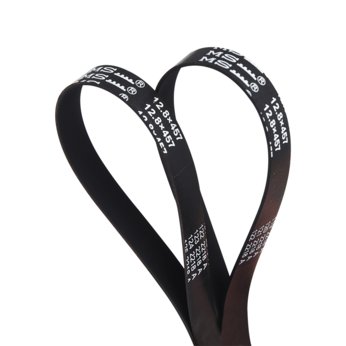
A replacement timing belt must match the engine’s tooth profile, pitch, tooth count, width, length, material construction, and intended operating environment. A belt with a similar appearance may not provide correct sprocket engagement or dimensional stability.
When Should the Timing Belt Be Replaced Early?
Mileage is not the only reason for replacement. Certain operating conditions or inspection findings can justify service before the normal interval.
The vehicle has no reliable timing belt replacement record.
Oil or coolant has entered the timing belt area.
The belt shows cracking, tooth wear, edge damage, or material separation.
The tensioner or idler pulley produces abnormal noise or rough rotation.
The engine has been disassembled and the old belt cannot be safely reused.
The vehicle has reached the specified calendar-age limit despite low mileage.
Auto Timing Belt Replacement FAQ
Can a mechanic tell whether a timing belt is new?
A visual inspection may identify obvious wear or recent installation, but appearance alone may not confirm the exact age or mileage. Service records and replacement labels provide stronger evidence.
Should the water pump be replaced with the timing belt?
Replacement is commonly considered when the water pump is timing-belt-driven or requires the same labor-intensive access. The decision depends on pump condition, mileage, engine design, and service instructions.
Can a timing belt last longer than 100,000 miles?
Some belts may remain operational beyond that distance, but continued use should not be based on appearance or assumptions. The specified service interval remains the safer maintenance reference.
Does a timing belt warning light appear before failure?
Many vehicles do not have a dedicated timing belt warning sensor. A maintenance reminder may appear on some vehicles, but mechanical belt failure can occur without a dashboard warning.
Is a noisy engine always caused by the timing belt?
No. Noise may come from accessory belts, pulleys, bearings, the water pump, valve train, chain system, alternator, air-conditioning compressor, or other rotating components.
Can an old timing belt be reinstalled?
Reinstallation is generally avoided when the belt has been removed after extended service. Bending, tension release, contamination, installation direction, and unknown internal condition can affect reliability.

 Tel: +86-0574-62498188 62497298
 Fax: +86-0574-62497297
 E-mail:
  Add: No. 65, Middle Jinniu Road, Moushan Town, Yuyao City, Zhejiang Province, China
