
 En
 English
 简体中文

Why Do Drive Belts Squeal? Tension, Misalignment and Wear Causes Explained
A Squealing Belt Is a Friction Signal, Not One Single Fault
A squealing drive belt is a friction signal: the belt is slipping, sticking, or resonating at the pulley contact instead of transmitting load cleanly. The practical conclusion comes first because it changes the diagnostic order. Do not replace the belt until you have separated tension, alignment, and wear, because each one produces a different squeal pattern and each one can damage a new belt within hours.
The sound is usually a high-frequency stick-slip vibration. The belt grips, releases, grips again, and the repeating cycle travels through the belt span and the pulley structure. On a ribbed belt, the noise often comes from the ribs sliding across the pulley grooves. On a V-belt, it may come from flank slip. On a synchronous belt, it can come from tooth interference, edge rubbing, or a belt that is tracking against a flange because the two shafts are not parallel.
Tension faults
Too loose: slip at startup, glazing, black dust, and a squeal that disappears after the belt warms up. Too tight: belt sing, bearing load, shaft deflection, and a squeal that grows with speed.
Alignment faults
Parallel offset, angular error, axial offset, or bracket flex. The belt contacts only part of the pulley, so local slip starts before the whole drive is overloaded.
Wear faults
Worn ribs, worn flanks, polished pulley grooves, exposed cord, a rough idler, or a failing tensioner bearing. A worn belt can squeal even when tension and alignment are correct.
A cold-start squeal points first to tension or contamination. A squeal that builds with load points first to alignment or wear. A squeal that appears immediately after a belt change points to routing, pulley spacing, or a belt that is not seated correctly in the grooves. A squeal that comes and goes with engine or machine speed may come from a tensioner that is moving under load rather than holding a stable tension.
The diagnostic value of the sound is limited if you only listen. Pair the sound with a visual check of belt tracking, pulley wear, and dust. A dry, black dust around the pulleys usually means slip and rubber wear. A shiny, glazed belt surface usually means heat and repeated micro-slip. A belt that sits low in a V-groove or a ribbed belt that no longer stands proud of the pulley can be worn or the pulley can be worn, and the two conditions are easy to confuse.
Tension: The Narrow Window Between Slip and Bearing Overload
The correct tension is not a feeling. It is a specified window that keeps the belt in contact with the pulley under load without overloading the bearings, the shaft, or the belt's tensile member. A belt that is too loose slips before it can carry the load. A belt that is too tight may stop the squeal for a short time, but it raises bearing load, increases shaft deflection, and can make the drive noisier under load.
| Tension condition | Contact behavior | Typical noise | Main risk |
|---|---|---|---|
| Below specification | Partial slip at startup and under shock load | Short, sharp squeal; chirp on acceleration | Glazing, rib wear, belt turnover, heat |
| Within specification | Full contact with controlled elastic stretch | Stable running; normal meshing or rib contact | Expected wear only |
| Above specification | High normal force; possible shaft and bracket deflection | Singing, whine, or squeal under load | Bearing load, cord fatigue, pulley flange wear |
| Uneven across the belt width | One side carries more load than the other | Intermittent squeal that changes with direction | Edge wear, rib or flank wear, tracking error |
For a V-belt or ribbed belt, the tension check usually starts with span deflection or a tension gauge. The deflection method is only useful when the span length, force, and measurement point are known. Guessing with a thumb is not a specification. For a synchronous belt, the installation tension is often set by the manufacturer's procedure and then verified after run-in. A synchronous belt does not rely on friction for torque transfer, but it still needs enough tension to keep the teeth engaged and to prevent the belt from jumping under shock load.
Too loose
Slip risk: high
Low normal
Slip risk: moderate
Target window
Slip risk: controlled
Too tight
Bearing load: high
Three tension mistakes appear again and again in maintenance reports. The first is reusing a worn belt and tensioning it harder to stop the squeal. The second is setting tension on a cold drive and never checking it after the first run-in. The third is tensioning one belt in a multi-belt set instead of replacing the set as a matched group, which leaves one belt carrying more load than the others.
Run-in matters because the belt and pulley contact changes after the first few hours. A new belt may seat into the grooves, relax slightly, and lose some initial tension. A recheck after run-in is not optional on a drive that has already shown a squeal. For a practical procedure, see our guide to avoiding improper timing belt tension adjustment. The same logic applies to ribbed and V-belt drives: set to specification, run under load, and recheck before the belt has time to glaze.
Misalignment: When the Belt Only Touches Part of the Pulley
Misalignment creates a side load and a partial contact patch, so the belt squeals where it should be gripping. The drive may look square at a glance and still be out of alignment because the error is angular rather than parallel. A small angular error at the pulley becomes a large lateral movement at the far end of the span, and the belt reacts by running against a flange, wearing one edge, or slipping on one side of the groove.
Parallel offset
The two shafts are parallel but the pulley faces are not in line. The belt runs at an angle across the pulleys and loads one edge.
Angular error
The shafts are not parallel. The belt enters and leaves the pulley at an angle, which changes the contact pattern and can produce a rhythmic squeal.
Axial offset
One pulley sits too far in or out on its shaft. The belt may track against a flange or sit off-center in a flat or ribbed pulley.
Structural flex
The bracket, bearing housing, or tensioner moves under load. Alignment is correct at rest and wrong when the drive is running.
A straightedge across the pulley faces is a useful first check, but it only shows the error if the straightedge is long enough and the pulley faces are clean. A feeler gauge can confirm a gap. A laser alignment tool is faster on long spans and on drives with three or more pulleys. Runout is a separate check: a pulley can be aligned but still wobble because of a bent shaft, a damaged bore, or debris under the mounting face.
On synchronous drives, continuous belt tracking against a flange is a warning, not a normal condition. The flange is there to guide the belt during upset conditions, not to hold it in place during steady operation. If the belt is polished against the flange, check parallelism, axial position, and pulley runout before changing the belt. On ribbed and V-belt drives, misalignment usually shows as one-sided rib wear, a polished flank, or a belt that rolls over in the groove under load.
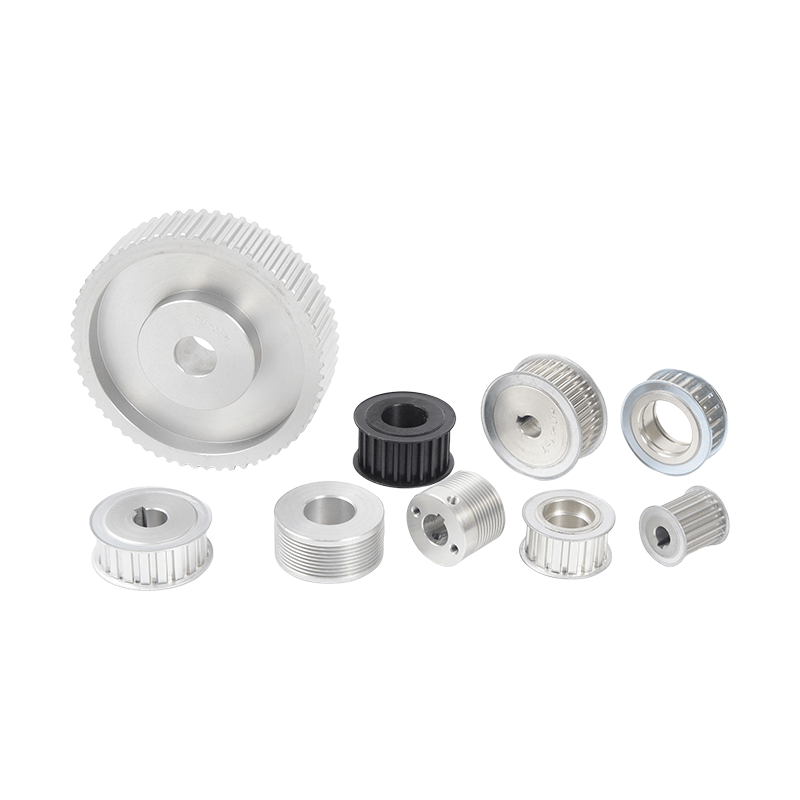 Synchronous Pulley for Precise Belt Drive AlignmentView synchronous pulley options in arc, linear, and T-type profiles when checking pulley parallelism, axial position, and runout on synchronous drives.View Product →
Do not use belt dressing to cover a misalignment squeal. Dressing changes the friction coefficient for a short time and can make the belt slip in a different way. It also attracts dust and can contaminate the pulley grooves. The correct fix is mechanical: move the pulley, correct the bracket, replace the worn bearing, or restore the shaft fit.
Alignment should be checked under the same load and temperature conditions as normal operation when the drive is critical. A bracket that is stiff when cold may flex when the machine reaches operating temperature. A tensioner that is free at rest may move under torque. If the squeal only appears after the machine has run for twenty minutes, check alignment hot as well as cold.
Wear: The Squeal That Survives a Tension Adjustment
Wear changes the contact geometry, so a worn belt can squeal even when tension and alignment are correct. The most common mistake is to treat the belt as the only wear part. Pulleys wear, tensioners wear, idler surfaces wear, and worn pulleys can make a new belt squeal immediately after installation.
| Wear pattern | Likely location | What it does to contact | Check before replacement |
|---|---|---|---|
| Glazed, shiny belt surface | Rib or flank contact area | Reduces friction and hides slip damage | Tension history, pulley alignment, overload |
| Black dust around the drive | Ribs, flanks, or belt edges | Indicates abrasion and micro-slip | Pulley groove finish, tension, contamination |
| One-sided edge wear | Belt edge or pulley flange | Shows tracking force and misalignment | Parallelism, axial offset, runout |
| Belt sits low in a V-groove | V-belt flank or pulley groove | Belt bottoms out and loses flank contact | Groove width, pulley wear, belt width |
| Tooth tip wear or rounded teeth | Synchronous belt tooth or pulley tooth | Changes meshing and can cause interference noise | Pulley tooth profile, belt pitch, alignment |
| Rough or scored idler | Tensioner or idler surface | Creates local friction and vibration | Bearing play, surface finish, seized idler |
Glazing is easy to see but hard to interpret. A glazed belt has been heated by slip, but the slip may have come from low tension, misalignment, oil, or a seized idler. If you replace the belt without correcting the cause, the new belt can glaze in the same way. A glazed belt should be treated as evidence, not just as a worn part.
Pulley wear is often overlooked because the pulley is metal and the belt is rubber. In a V-belt drive, the groove can wear wider and allow the belt to sink deeper. In a ribbed drive, the rib profile can round off or become polished. In a synchronous drive, the tooth flanks can wear or the pulley can collect debris. A worn pulley changes the contact angle and the effective pitch, which can produce a squeal that sounds like a belt fault but remains after the belt is replaced.
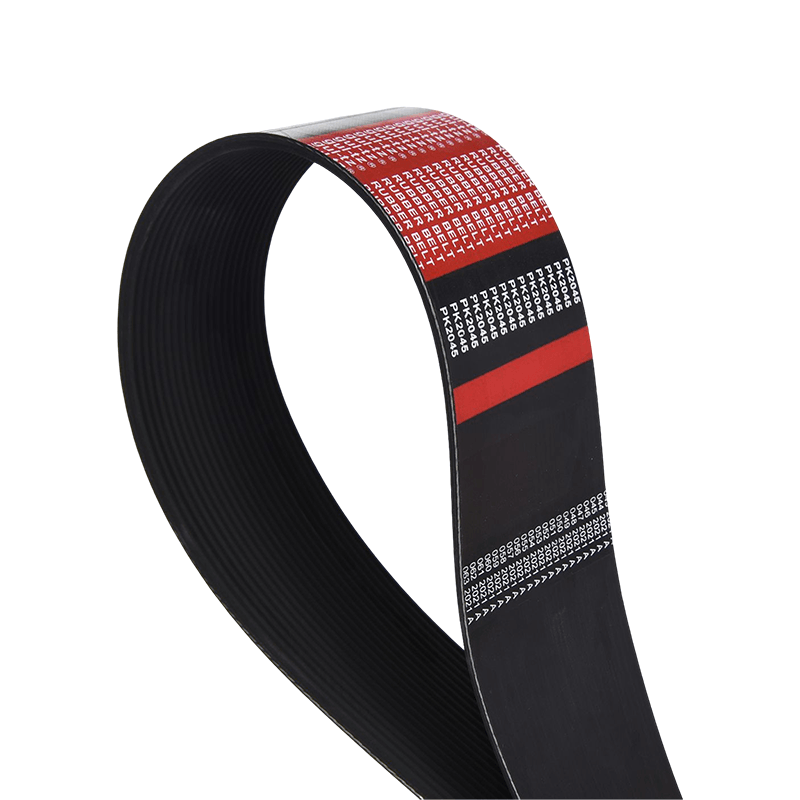 PK Poly-V Ribbed Belt for Compact DrivesCheck ribbed belt options for compact, multi-axis drives where pulley groove wear or belt storage can affect rib contact and noise.View Product →
Belt storage also affects wear. A belt stored in a hot, sunny, or oily area can harden before it is installed. A belt that has been bent below its minimum bend radius can crack internally. A belt that has been contaminated with solvent or oil can lose friction stability. If a replacement belt squeals immediately, check the storage history as well as the drive alignment.
In a factory setting, belt quality begins with compound control, cord placement, and molding consistency. A belt that is made with a stable rubber compound and a controlled tooth or rib profile is less likely to glaze, harden, or change dimensions after run-in. Our rubber belt manufacturer background describes the production and quality systems behind that control, including ISO-certified processes and a product range that covers synchronous, ribbed, V-belt, flat-belt, and pulley combinations.
How Belt Construction Changes the Squeal Threshold
Two belts with the same length can behave differently because construction sets friction, stiffness, and tooth engagement. The drive sees the belt as a spring, a contact surface, and a load path at the same time. A change in tooth profile, cord, or compound changes how quickly the belt becomes noisy when tension or alignment drifts.
Tooth Profile and Pitch
Arc tooth profiles are often selected for smoother meshing and lower noise because the tooth contact rolls through the engagement cycle. T-type profiles use a different flank geometry and are common in light-duty, metric, and general industrial drives. The profile does not correct misalignment, but it changes how much misalignment the drive can tolerate before the noise becomes obvious. A worn or wrong-profile pulley can make even a correctly tensioned belt sound noisy because the tooth and groove no longer match.
Cord and Tensile Member
The tensile member controls length stability and load sharing. A belt with a stiff cord may transmit torque with less elongation, but it can also transfer shock load into the bearings if the drive is over-tensioned. A belt with a more flexible cord may be easier on the bearings but can change the tension window. For synchronous belts, cord choice also affects pitch stability under load, which is why the belt and pulley should be selected as a system rather than as separate parts.
Rubber Compound and Surface
The rubber compound controls friction, heat resistance, and wear resistance. A compound that is too hard may reduce grip and increase slip noise. A compound that is too soft may wear quickly under abrasive conditions. Heat aging is important because a belt that hardens in service can start to squeal after months of quiet operation. Oil, coolant, and cleaning chemicals can change the surface friction even if the compound itself is correct.
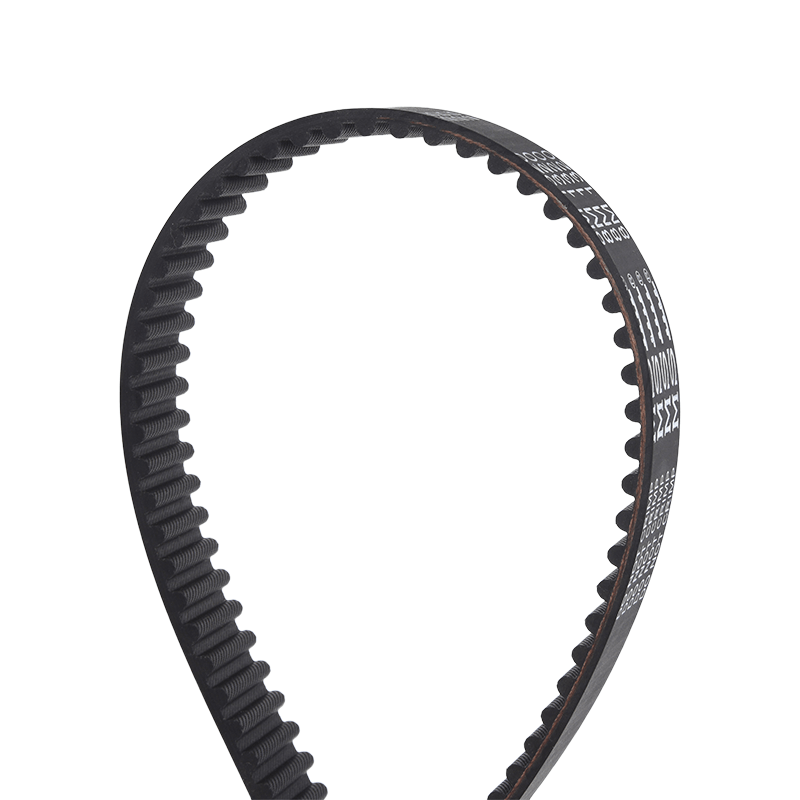 Arc Tooth Industrial Timing BeltsReview arc tooth timing belts for smoother engagement and quiet operation when belt compound, alignment, and pulley condition affect drive noise.View Product →
Ribbed, V-Belt, and Flat-Belt Geometry
Ribbed belts depend on multiple V-shaped ribs to share load. If one rib is worn or the pulley groove is damaged, the remaining ribs carry more load and the belt can squeal locally. V-belts depend on flank contact, so groove width and belt width must match. Flat belts depend on surface contact and crown, so a flat pulley with the wrong crown or a belt that is not centered can produce edge noise and tracking problems.
Double-Sided and Open-Ended Belts
Double-sided timing belts need both pulley sets aligned because the belt engages on both faces. A small error on one side can make the belt run against a flange or load one tooth face more than the other. Open-ended timing belts are used for linear motion, retrofit, or long-span drives, and the clamping or joining method becomes part of the tension path. If the clamp is not square, the belt can track to one side and squeal even when the pulleys are aligned.
Write the drive data
Pulley tooth or groove profile, pitch or section, belt width, number of ribs, center distance, and minimum pulley diameter. A vague replacement request invites the wrong belt.
State the environment
Temperature, oil mist, dust, washdown, and shock load. These factors change compound choice and the tension recheck interval.
Match belt and pulley
Do not mix a new belt with a worn pulley and expect the original noise level. The contact geometry has already changed.
Symptom-to-Cause Matrix for Drive Belt Squeal
Use the symptom matrix before changing parts. The first column is what the operator hears or sees; the second column is the first check that separates the fault families. The matrix is not a substitute for measurement, but it prevents the most common wasted replacement.
| Symptom | First check | Likely cause | Action |
|---|---|---|---|
| Squeal only at cold start | Belt tension and contamination | Low tension, oil film, or moisture on the pulley | Clean pulleys, set tension, recheck after run-in |
| Squeal under acceleration | Belt tension and pulley alignment | Slip under shock load or angular misalignment | Measure tension, check parallelism and bracket flex |
| Squeal after belt replacement | Belt part number and routing | Wrong profile, wrong width, or belt not seated | Verify belt and pulley match, reinstall correctly |
| Rhythmic squeal with rotation | Pulley runout and belt tracking | Bent shaft, damaged pulley, or debris under flange | Check runout, clean mounting faces, replace damaged pulley |
| Squeal plus black dust | Rib or flank wear | Chronic slip, misalignment, or worn pulley groove | Correct alignment and tension, inspect pulley profile |
| Squeal plus belt edge wear | Tracking and axial offset | Belt running against a flange | Align pulleys, correct axial position, check runout |
| Squeal that changes with temperature | Compound hardening and tensioner movement | Heat-aged belt or thermal bracket growth | Check hot alignment and tension, replace aged belt |
| Squeal plus bearing noise | Tensioner and idler bearings | Over-tension or failed bearing | Replace bearing, reset tension to specification |
If two rows apply at the same time, fix the mechanical cause before changing the belt. A squeal that comes with black dust and one-sided edge wear is usually a combination of slip and misalignment. A squeal that comes with bearing noise is often an over-tension symptom, not a belt defect. A squeal that starts after a maintenance shutdown may come from a pulley that was reinstalled without cleaning the mounting face.
Installation and Maintenance Checks That Stop Repeat Squeal
Most repeat squeals come from a missed installation step, not from a defective belt. The checks below are written for a drive that has already squealed once. They are also useful for a new installation where downtime is expensive and a return visit is worse than the extra ten minutes.
- Lock out the drive and confirm that all stored energy is released before touching the belt.
- Record the belt part number, width, pitch or section, and the pulley part numbers before removal.
- Clean the pulley grooves with a soft brush and a compatible cleaner; do not use a sharp tool that can score the groove.
- Inspect the pulley grooves for wear, corrosion, embedded debris, and polished surfaces that indicate slip.
- Check pulley runout and shaft fit; a pulley that wobbles will not hold alignment even if the bracket is square.
- Check the tensioner and idler bearings for play, roughness, and seal damage.
- Align the pulleys with a straightedge, feeler gauge, or laser tool; confirm parallel, angular, and axial position.
- Install the belt without prying it over a flange or rolling it into the groove; forced installation can damage the cord.
- Set tension to the manufacturer's specification and rotate the drive by hand to confirm that the belt tracks correctly.
- Run the drive under normal load, then recheck tension, tracking, and noise after the first run-in period.
Before startup
Confirm belt seating, pulley alignment, tension, and freedom of rotation. Listen for rub at low speed before the drive reaches full load.
After 30 minutes
Check for dust, belt tracking, and tension loss. A new belt may seat into the grooves and need a small adjustment.
After 24 hours
Recheck tension and alignment under normal operating temperature. This is where a cold-setting error becomes visible.
Replacement decisions should be based on evidence. A belt with exposed cord, cracked ribs, missing teeth, or a hard glazed surface should be replaced. A belt with a clean surface and correct dimensions may still need replacement if the pulley is worn, because the old belt has already matched itself to the worn groove. In that case, replace the belt and restore the pulley, or the new belt will wear into the same pattern.
Keep spare belts in a clean, dry, dark place and hang them or coil them at the recommended radius. Do not store belts on a hot surface, near a motor, or in a area with solvent vapor. A belt that has been stored incorrectly may squeal from the first day because the rubber has already changed.
Frequently Asked Questions
Why does a new drive belt squeal after installation?
A new belt can squeal because it is not seated in the grooves, because the tension is not correct after run-in, or because the old pulley is worn to the shape of the previous belt. A new belt on a worn V-pulley may bottom out in the groove and lose flank contact. A new synchronous belt may track against a flange if the pulleys are not parallel. Check tension, alignment, and pulley wear before assuming the belt is defective.
Can belt dressing stop the squeal?
Belt dressing may quiet the noise for a short time, but it does not correct tension, alignment, or wear. It can also change the friction coefficient, attract dust, and contaminate the pulley grooves. If the squeal is caused by a misaligned pulley or a worn bearing, dressing simply hides the symptom while the damage continues.
How do I know whether the belt or the pulley is worn?
Look at the contact pattern. A worn belt usually shows glazing, rib rounding, flank wear, or exposed cord. A worn pulley usually shows a polished groove, a widened V-groove, a rounded tooth profile, or a ridge where the belt no longer touches. If a new belt sits low in the groove or makes noise immediately, the pulley is a strong suspect.
Does squeal always mean the belt is loose?
No. A loose belt is the most common cause, but an over-tight belt can also squeal under load because it loads the bearings and distorts the shaft or bracket. Misalignment and wear can produce the same sound with correct tension. Use the symptom pattern and a tension measurement before adjusting.
Why does the belt squeal only in the morning?
A morning-only squeal often points to moisture, oil film, or a belt that has taken a set overnight. It can also come from a tensioner that loses tension when cold or a bracket that changes position with temperature. Clean the pulleys, check tension cold and hot, and inspect the tensioner for weak spring force or bearing drag.
What tension is correct for a synchronous belt?
The correct tension is the value specified for the belt pitch, width, and drive layout, not a universal deflection number. Synchronous belts need enough tension to keep the teeth engaged under shock load and to prevent jumping, but too much tension can overload the bearings and the cord. Follow the belt manufacturer's installation tension and recheck after run-in.
How does misalignment show on a ribbed belt?
Ribbed belt misalignment often shows as one-sided rib wear, a polished edge, or a belt that runs against a flange. The belt may also produce a rhythmic squeal because the ribs are loaded unevenly. Check parallel alignment, axial position, and pulley runout before replacing the belt.
When should a squealing belt be replaced?
Replace the belt when it shows exposed cord, cracked ribs, missing teeth, deep edge wear, or a hard glazed surface that does not respond to correct tension and alignment. If the pulley is worn, replace or restore the pulley as well. A new belt installed on a worn drive can squeal immediately and wear faster than the original.
Hot Products
-
 View More
-
 View More
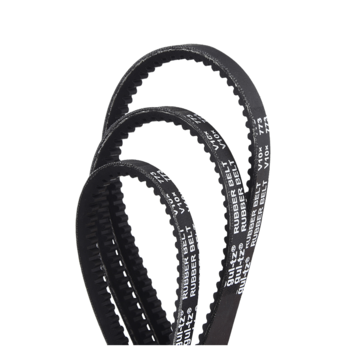
V-belt For Industry
-
 View More
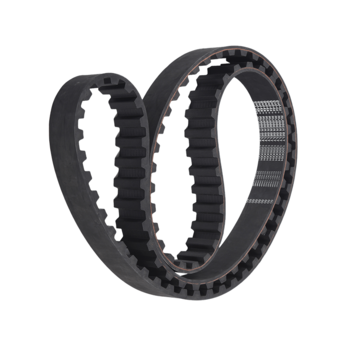
T Type Industry Rubber Synchronous Belt
-
 View More
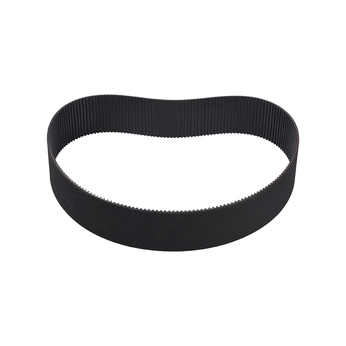
Toothed wedge belt
-
 View More
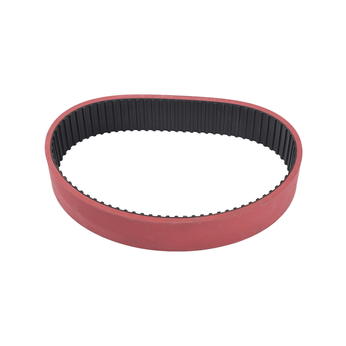
Thickened timing belt
-
 View More
Open Timing Belt
-
 View More
Automotive V-belt
-
 View More
Rubber Flat Belt
-
 View More
Ribbed Belt
-
 View More
Synchronous Pulley
-
 View More
Arc tooth industrial rubber synchronous belt
-
View More
Automotive timing belt

Do you have a question? Feel free to contact!
 Tel: +86-0574-62498188 62497298
 Fax: +86-0574-62497297
 E-mail:
 Add: No. 65, Middle Jinniu Road, Moushan Town, Yuyao City, Zhejiang Province, China
Copyright © Ningbo GUL TZ Rubber Belt Co., Ltd. All rights reserved.

OEM Rubber Driving belts Manufacturers
