
 En
En  English
 简体中文
简体中文
What Are the Common Failures of Open Timing Belts and How Can You Prevent Them
Common Failures of Open Timing Belts
Timing Belt Breakage
Open Timing Belt breakage is one of the most common failures. Due to the high rotation speeds in the engine, the timing belt is under immense tension. If the material of the timing belt becomes aged, worn, or has manufacturing defects, it may break. A breakage will prevent the engine from running normally and, in severe cases, can lead to internal engine parts colliding, causing even more complex failures.
Timing Belt Wear
Wear of the Open Timing Belt is a common long-term failure. Due to friction, the surface of the timing belt gradually wears down, leading to damaged teeth and loss of tension, affecting the engine’s timing accuracy. When the timing belt wears to a certain degree, it may result in rough engine operation, delayed ignition, power loss, or other issues.
Timing Belt Slippage or Teeth Jumping
Open Timing Belt may slip or experience teeth jumping due to external forces or excessive stretching. This failure is often characterized by increased engine noise, unstable power output, and even engine misfire or serious mechanical damage. Teeth jumping typically occurs due to uneven tension in the timing belt, improper installation, or using a stretched timing belt.
Timing Belt Aging and Hardening
Over time, timing belts are affected by environmental factors such as high temperatures, humidity, and UV exposure. These factors cause the material of the timing belt to age or harden, losing flexibility and elasticity, which may lead to cracks or breakage. Aging and hardening are especially common in older vehicles.
Insufficient Timing Belt Tension
When the tension of the timing belt is too low, it cannot transfer power effectively, causing slippage or teeth jumping. The causes of insufficient tension include improper installation, not adjusting tension over time, and material fatigue in the timing belt. Insufficient tension may result in engine malfunction, reduced performance, and poor fuel efficiency.
How to Prevent Open Timing Belt Failures
Regular Inspection and Maintenance
Regular inspection of the Open Timing Belt is an effective way to prevent failures. During inspection, check for signs of wear, surface condition, and belt tension. If any cracks, wear, or aging are found on the timing belt, it should be replaced promptly. Additionally, check the tension of the timing belt to ensure it is within the recommended range.
Use High-Quality Timing Belts
Choosing a high-quality timing belt is crucial to extending its lifespan. Premium Open Timing Belts are better able to resist wear, aging, and high temperatures, reducing the risk of breakage and wear. When selecting a timing belt, always opt for one that is suitable for the vehicle’s model and meets quality standards.
Keep the Engine Environment Clean
Maintaining a clean engine environment can effectively reduce external factors that affect the timing belt. For example, prevent dirt, oil, and other debris from entering the engine parts to reduce the wear on the timing belt. Regularly cleaning the engine compartment, especially around the timing belt, will help extend the timing belt’s service life.
Replace the Timing Belt Regularly
The timing belt has a certain service life, and replacing it regularly is an effective preventive measure. Follow the vehicle manufacturer’s recommendations for timing belt replacement to avoid failures caused by excessive wear or aging. Generally, the replacement interval is between 60,000 to 100,000 kilometers, but the specific interval should be adjusted according to the vehicle model and operating conditions.
Follow Installation Guidelines Carefully
When installing the Open Timing Belt, it is essential to strictly follow the manufacturer’s technical manual and instructions. Improper installation, such as the timing belt being too loose or too tight, may cause uneven tension, leading to teeth jumping or slippage. Additionally, ensure that the teeth of the timing belt align correctly with the gears during installation to ensure smooth power transfer.
Avoid Engine Overheating
High temperatures are one of the main causes of aging and hardening of the timing belt. To prevent failures caused by overheating, vehicle owners should regularly inspect the cooling system to ensure the engine operates within the normal temperature range. If any issues with the cooling system are detected, repairs should be made promptly to avoid engine overheating.
Hot Products
-
 View More
-
 View More
V-belt For Industry
-
 View More
T Type Industry Rubber Synchronous Belt
-
 View More
Toothed wedge belt
-
 View More
Thickened timing belt
-
 View More
Open Timing Belt
-
 View More
Automotive V-belt
-
 View More
Rubber Flat Belt
-
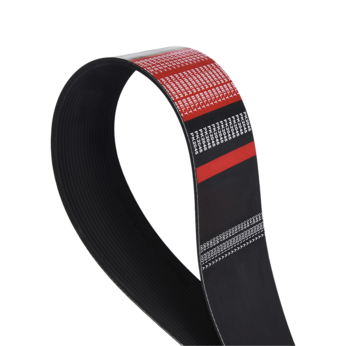 View More
Ribbed Belt
-
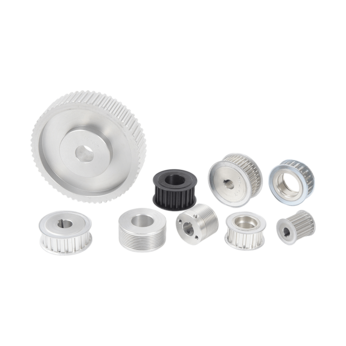 View More
Synchronous Pulley
-
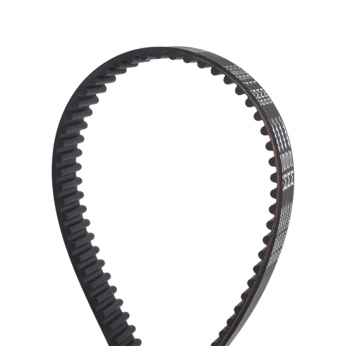 View More
Arc tooth industrial rubber synchronous belt
-
View More
Automotive timing belt

Do you have a question? Feel free to contact!
 Tel: +86-0574-62498188 62497298
 Fax: +86-0574-62497297
 E-mail:
  Add: No. 65, Middle Jinniu Road, Moushan Town, Yuyao City, Zhejiang Province, China
Copyright © Ningbo GUL TZ Rubber Belt Co., Ltd. All rights reserved.

OEM Rubber Driving belts Manufacturers
