
 En
En  English
 简体中文
简体中文
Thickened Timing Belts vs Standard Timing Belts: Maintenance Cycle Differences
Thickened timing belts have become widely used in heavy-duty and precision applications due to their superior durability and load-bearing capacity. In many industries, these belts play a crucial role in high-performance machinery. But what are the differences in maintenance cycles between thickened timing belts and standard timing belts? This article will explore these differences in detail, helping customers understand the distinct maintenance requirements of both types of belts.
1. Design Features of Thickened Timing Belts
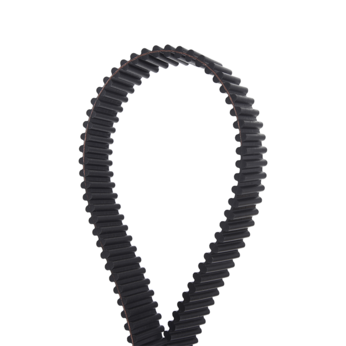
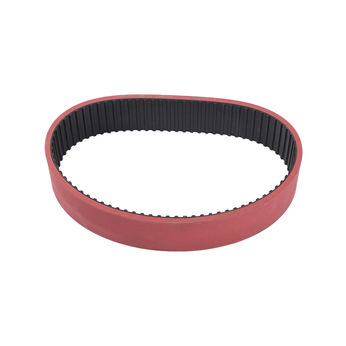
Thickened timing belts are generally sturdier than standard belts. They are designed with enhanced materials, increased thickness, and reinforced layers to handle higher loads and operate under more demanding conditions. Due to these design improvements, thickened timing belts can maintain higher operational efficiency for longer periods, making them ideal for use in high-temperature, high-moisture, and corrosive environments.
2. Factors Affecting Maintenance Cycle
The maintenance cycle of a timing belt is influenced by several factors, including load, environment, and usage time. For thickened timing belts, due to their robust material and construction, they typically endure longer periods of use compared to standard belts. However, the cycle of maintenance for both types of belts is impacted by the following factors:
- Working Environment: Thickened timing belts are designed to withstand harsh environments, such as high heat, humidity, and chemical corrosion. Even under such conditions, their maintenance cycle tends to be longer than standard belts.
- Load Capacity: Thickened timing belts are able to handle heavier loads without compromising stability. Standard belts, however, are prone to wear or failure under high loads, leading to a shorter maintenance cycle.
- Speed and Precision Requirements: Thickened timing belts are commonly used in high-speed and high-precision applications. Due to their stability, they typically have longer maintenance intervals, even under continuous, high-frequency operation.
3. Maintenance Cycle Advantages of Thickened Timing Belts
Under normal operating conditions, thickened timing belts offer a maintenance cycle that is significantly longer than standard belts. Typically, standard timing belts require inspection every six months to a year, while thickened timing belts can go for two years or longer before needing maintenance. This extended maintenance cycle is a result of their superior wear resistance, tensile strength, and resistance to aging.
In addition, due to the thicker construction and stronger tensile capabilities, thickened timing belts need fewer tension adjustments and maintenance over time. They are also less likely to experience issues such as slipping or tooth loss, which are more common with standard belts. As a result, the overall service life of thickened timing belts is considerably longer.
4. Maintenance Cycle Limitations of Standard Timing Belts
In contrast, standard timing belts have a shorter maintenance cycle. These belts often suffer from quicker wear, stretching, or aging, especially under heavy loads or extreme environmental conditions. For example, in high-temperature or corrosive environments, standard belts degrade faster, resulting in more frequent maintenance requirements.
Because of their lower wear resistance and weaker resistance to chemicals and heat, standard timing belts tend to fail more quickly than thickened belts. Consequently, the maintenance cycle is shorter, and more frequent inspections and replacements are necessary.
5. Impact on Operational Costs
The difference in maintenance cycles between thickened and standard timing belts directly impacts operational costs. Thickened timing belts, with their longer lifespan and reduced maintenance needs, help minimize downtime and maintenance expenses. This is particularly beneficial for production lines and critical machinery that need to operate without interruptions for extended periods.
On the other hand, standard timing belts often require more frequent replacements and adjustments, leading to increased repair costs and potentially lowering overall productivity. This difference in maintenance frequency significantly impacts the total cost of ownership, with thickened timing belts offering a more cost-effective solution in the long run.
6. How to Extend the Maintenance Cycle of Thickened Timing Belts
While thickened timing belts have a longer maintenance cycle, regular upkeep is still essential to maximize their service life. To extend the maintenance cycle further, businesses should consider the following practices:
- Regular Inspections: Even though thickened timing belts last longer, periodic checks of belt tension, wear, and tooth condition are crucial to ensure optimal performance.
- Environmental Control: While thickened timing belts are designed to withstand harsh conditions, minimizing excessive exposure to high temperatures, moisture, and corrosive substances can extend their lifespan.
- Avoid Overloading: Although thickened belts have a higher load capacity, consistently operating under excessive loads can still accelerate wear. Keeping loads within the recommended limits helps extend the belt’s operational life.
Hot Products
-
 View More
-
 View More
V-belt For Industry
-
 View More
T Type Industry Rubber Synchronous Belt
-
 View More
Toothed wedge belt
-
 View More
Thickened timing belt
-
 View More
Open Timing Belt
-
 View More
Automotive V-belt
-
 View More
Rubber Flat Belt
-
 View More
Ribbed Belt
-
 View More
Synchronous Pulley
-
 View More
Arc tooth industrial rubber synchronous belt
-
View More
Automotive timing belt

Do you have a question? Feel free to contact!
 Tel: +86-0574-62498188 62497298
 Fax: +86-0574-62497297
 E-mail:
  Add: No. 65, Middle Jinniu Road, Moushan Town, Yuyao City, Zhejiang Province, China
Copyright © Ningbo GUL TZ Rubber Belt Co., Ltd. All rights reserved.

OEM Rubber Driving belts Manufacturers
